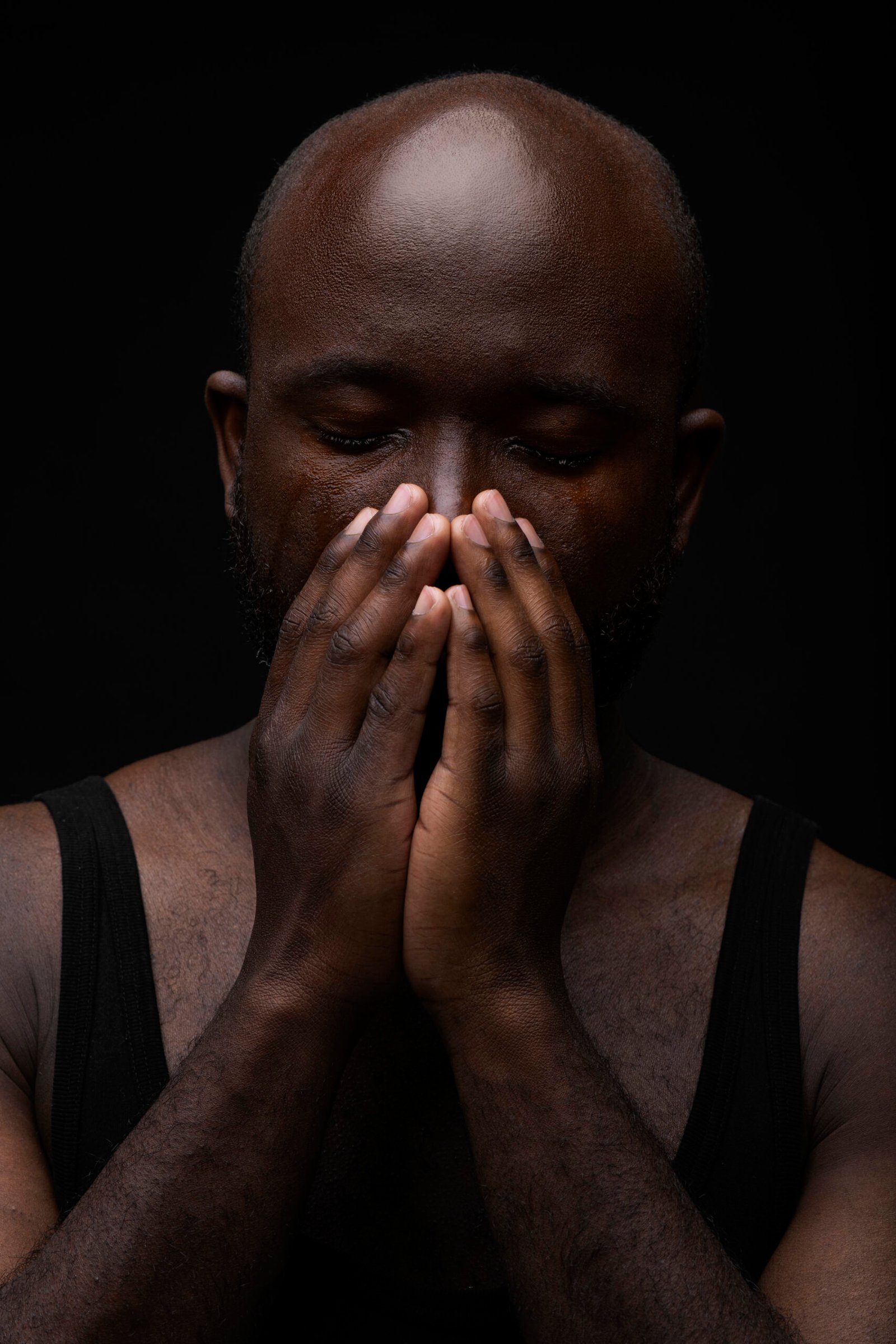


When people talk about discipline, they often make it sound like a mechanical routine. Wake up early. Exercise daily. Stay focused. But discipline is not just about doing things at the right time or following a rigid plan. Discipline is deeply emotional. It comes from how you feel about yourself, your goals, and your life.
Many people believe discipline is about forcing yourself to do what you do not want to do. But real discipline begins when your emotions align with your values. You do not push yourself out of fear or guilt. You move because something within you wants to grow.
When you start treating discipline as an emotion, everything changes. You begin to see that it is not about punishment. It is about care. It is about building trust with yourself.
Discipline is born out of emotional clarity. When you understand why something matters to you, it becomes easier to show up for it. Think about it. You can force yourself to wake up early for a few days. But if you wake up early because you value peace, clarity, and a strong start to your day, it becomes natural.
YOU CAN ALSO READ: This Could Be Why You’re Depressed or Anxious
Emotions drive behavior far more than logic does. The reason most people fail to stay consistent is not that they lack willpower. It is that they have not connected emotionally to the habits they are trying to build.
When you are emotionally disconnected, your brain treats discipline like a chore. But when you are emotionally engaged, discipline becomes a form of self-respect.
How to Use Emotion to Build Lasting Discipline
1. Connect Discipline to What You Care About: Ask yourself why you want to change. Do you want to wake up early because it makes you feel calm and in control? Do you want to eat better because your body deserves love and care? When you connect the habit to your emotional needs, it stops feeling like a fight.
2. Replace Harsh Self-Talk with Compassion: Many people confuse discipline with self-criticism. They think yelling at themselves will create results. But emotional research shows the opposite. Self-compassion leads to consistency. When you treat yourself with patience and care, you are more likely to keep going even when you slip.
So instead of saying, “I failed again,” try saying, “I am learning to stay consistent. I slipped today, but I am still growing.” That shift creates emotional safety, and emotional safety builds real discipline.
3. Regulate Your Emotions Before You Act: If you are feeling anxious, angry, or sad, discipline will feel impossible. Before you push yourself to act, calm your mind. Try deep breathing, a short walk, or journaling. Once your emotions are balanced, taking action becomes easier.
4. Celebrate Emotional Wins, Not Just Actions: Every time you choose peace over frustration, calm over chaos, and love over shame, you are strengthening your emotional discipline. These moments may seem small, but they build the foundation for lasting change.
Emotional Discipline and Mental Strength
Emotional discipline is the key to mental strength. When your emotions no longer control you, you start to control your choices. You begin to respond instead of react. You think clearly under pressure. You stay calm when life feels chaotic.
Mental strength is not about suppressing emotions. It is about understanding them and using them wisely. When you feel anger, you pause instead of explode. When you feel sadness, you rest instead of run away. When you feel fear, you face it with curiosity instead of judgment.
Each time you do this, your emotional muscles grow stronger. That is what real discipline looks like.
Inner Growth Through Emotional Awareness
Inner growth happens when your emotions and actions begin to align. You stop fighting yourself. You stop living in guilt. You start living with awareness.
Discipline becomes an act of love, not control. You start making choices that bring you closer to peace, not perfection. You learn that consistency is not about being flawless. It is about being emotionally honest and showing up for yourself again and again.
When you understand that discipline is an emotion, not just a rule, you unlock a deeper kind of strength. The kind that keeps you grounded even when life feels uncertain. The kind that makes growth sustainable and healing possible.
If you are reading this and struggling to stay consistent, remember:
You do not need more control. You need more compassion. Discipline grows from the heart, not from fear. Start there, and watch your life transform.
Understanding the Truth About Discipline and Emotion
When people think of discipline, they often imagine strict routines, self-control, and relentless willpower. You might even believe that discipline means pushing through no matter how you feel. But here’s the truth: discipline is not just a behavior or habit. Discipline is an emotion.
At first, that may sound strange. How can discipline be an emotion when it feels like an action? But when you look deeply at how the mind works, you realize that emotions are what drive actions. Every decision you make, every habit you form, begins with a feeling.
If you have ever tried to build a habit or rely on willpower, you already know how quickly willpower fades. You can push yourself for a few days, maybe a few weeks. But when life becomes overwhelming, or when you feel low, willpower runs out. That is when emotion becomes the foundation that keeps you going.
Why Willpower and Habits Are Not Enough
You may have heard people say that success is all about building habits. There is truth in that, but habits alone are not the full answer. Habits are automatic. They depend on repetition. But what happens when emotions get in the way?
When you are tired, anxious, or discouraged, your habits can fall apart. The reason discipline feels so hard to maintain is that most people think it is only about control. They try to fight emotion instead of understanding it.
The people who remain focused and consistent over time are not stronger because they have more willpower. They have learned to understand and work with their emotions. That emotional awareness becomes the real source of their discipline.
I learned the power of emotional discipline while working with people struggling with addiction. Addiction is one of the greatest tests of human will. People fighting substances like alcohol, cocaine, or opioids are often told to “be strong” and “stay disciplined.” But recovery is not about punishment or pushing harder. It is about healing emotionally.
In therapy and recovery, we do not send people to boot camps to train discipline through force. We talk about feelings. We talk about pain, shame, loneliness, and fear. We help people understand what drives them to seek relief in harmful ways.
What I discovered is that true discipline grows when emotions begin to heal. When people reconnect with themselves, when they learn to feel again, their choices change naturally. That is emotional discipline. It is not about suppressing feelings but understanding them so deeply that you no longer let them control you.
The Science of Emotion and Why We Misunderstand It
For years, neuroscience has told us that emotion lives in certain parts of the brain, like the amygdala or limbic system. While that is partly true, it is also misleading. Emotions are not just chemical reactions or brain activity. They are experiences that connect your body, your thoughts, and your sense of self.
Fear, anger, joy, love, and motivation are not isolated in one place. They move through your entire system. That is why your stomach tightens when you feel anxious, or your heart races when you are excited. Discipline, in this sense, is not just mental. It is emotional energy that flows through your body.
When your emotions are balanced, discipline becomes easier. When you are emotionally overwhelmed, discipline collapses. Understanding this link allows you to stop blaming yourself for “lacking willpower” and instead start healing the emotional roots that weaken it.
How to Cultivate Emotional Discipline
1. Learn to Sit With Your Feelings: Instead of running from discomfort, learn to stay present with it. When you feel restless, angry, or tempted to give up, pause. Take a deep breath. Ask yourself what emotion is behind that moment. The more you can stay with your emotions instead of reacting, the more discipline you build.
2. Replace Harsh Judgment With Compassion: Discipline does not grow from shame. It grows from understanding. When you make a mistake, do not attack yourself. Recognize that failure is part of the emotional learning process. Compassion allows your mind to stay open and continue growing.
3. Regulate, Then Act: When your emotions are storming, it is not the right time to make decisions. Calm your mind first. Try mindfulness, journaling, or even stepping away for a moment. Once your emotions settle, your discipline returns.
4. Let Your “Why” Be Emotional, Not Logical: Do not rely on rules alone. Connect your discipline to something that moves you emotionally. For example, exercise not because you “should” but because it helps you feel alive and grounded. Study not because you “must” but because learning makes you feel confident and capable.
When you learn to work with your emotions instead of against them, your inner strength expands. You stop being at war with yourself. You begin to act from a place of peace and clarity.
Emotional discipline allows you to stay focused even when life feels heavy. It gives you the ability to handle stress, delay gratification, and stay grounded in your purpose. This is the kind of mental strength that cannot be forced. It must be felt.
True discipline begins with emotional honesty. The more you understand your feelings, the more control you gain over your actions. You no longer depend on fleeting motivation or short bursts of energy. You start to live with awareness, purpose, and balance.
If you are struggling to stay consistent or to heal from emotional pain, remember this: your emotions are not the enemy. They are the doorway to discipline, strength, and peace. Learn to feel them, understand them, and guide them. That is where real transformation begins.
Why Discipline Begins With Emotion and How to Cultivate Inner Resolve
When people think about discipline, they often imagine it as pure control, a mental battle between what you should do and what you want to do. But if you have ever tried to stay consistent with something that truly matters to you, you know it is not that simple. The real reason discipline feels so hard is because it is not just a mental function. It is deeply emotional.
Neuroscience has taught us a lot about emotions. For example, fear is clearly connected to the amygdala, a small structure in your brain that triggers your fight-or-flight response. But what about love, joy, humor, and peace? Where are those emotions located? Science can map out fear, but it struggles to pinpoint joy. You can go to therapy to manage anxiety or reduce stress, but you rarely hear anyone say they are going to therapy to become more joyful or more humorous.
This is where ancient traditions like yoga and Zen Buddhism offer something powerful. They teach us that emotions are not just reactions but gateways to awareness, balance, and growth. They show us how to cultivate positive emotions that create strength, not just manage negative ones that cause suffering.
The Lesson of the Cat and the Bucket
There is a story from an ashram that perfectly captures how we sometimes lose the true purpose of our emotional growth.
A meditation master once taught his students to meditate early each morning. But there was a cat in the ashram that would always interrupt the sessions. The master decided that before meditation, someone should gently place a bucket over the cat so everyone could meditate in peace. The students followed this rule faithfully.
Years later, the master passed away, and the students continued the tradition. But one day, the cat died. The students panicked. They asked, “What do we do? The master said we must put a bucket on the cat before meditation!” So they went out and found a new cat just to continue the practice.
They had forgotten the purpose of the lesson. The bucket was never the goal. It was just a tool to remove distractions so they could meditate. The real goal was mindfulness, not the bucket.
Many of us do the same thing with discipline. We focus so much on the external structure, the rules, the routines, and the “shoulds,” that we forget the purpose behind them. The real goal of discipline is not control. It is inner freedom.
The Connection Between Emotion and Resolve
The ancient yogic texts, particularly the Upanishads, give us a powerful insight into the nature of discipline. The yogis observed that opposites belong to the same category. Hot and cold both belong to temperature. Heavy and light belong to weight. In the same way, they saw that discipline and doubt belong to the same category, the mind.
When you lose discipline, it is usually because doubt has entered your mind. You doubt your path, your purpose, or your ability. You question if what you are doing really matters. That doubt drains emotional energy, and once your emotions weaken, discipline crumbles.
Think about a student who loses motivation to study because they are unsure if their chosen field is right for them. They start strong but lose consistency. The issue is not laziness. It is doubt.
The yogis taught that the opposite of doubt is not discipline, it is resolve. When you are resolved, you no longer question your direction. You feel deeply aligned with what you are doing. And when you have that emotional clarity, discipline becomes effortless.
Cultivating Resolve Instead of Forcing Discipline
1. Start With Clarity, Not Rules: You cannot be disciplined about something you are uncertain about. Take time to reflect on why you are pursuing a goal. When your heart understands the reason behind your effort, your emotions align with your actions. That emotional clarity builds resolve.
2. Embrace Emotional Honesty: If you are feeling unmotivated or disconnected, it does not mean you are weak. It means your emotions are signaling doubt. Instead of ignoring that feeling, explore it. Ask yourself what feels uncertain. Once you address doubt directly, your inner strength begins to rebuild.
3. Learn to Anchor Your Mind: Meditation, prayer, or deep breathing are not just calming practices. They strengthen emotional stability. The calmer your emotions are, the stronger your resolve becomes. When you are grounded, you can stay focused even when challenges arise.
4. Replace Discipline With Devotion: Discipline that comes from force burns out. But when your actions come from devotion, from love for your growth, care for your body, and passion for your dreams, they sustain you. Devotion is emotional fuel. It transforms consistency into something natural.
How Positive Emotions Create True Discipline
Most people focus on reducing negative emotions like fear, stress, and anxiety. While that is important, it is not enough. You also need to cultivate positive emotions like joy, compassion, and gratitude.
These emotions energize your mind and body. They make discipline feel lighter, more natural, and more alive. Joy helps you show up with enthusiasm. Gratitude reminds you why your journey matters. Compassion keeps you patient when you fall.
When your emotional world is balanced, your mental discipline becomes unshakable.
When you stop forcing yourself and start understanding yourself, discipline transforms into peace. You begin to see that real strength does not come from control but from emotional alignment.
The more you cultivate resolve, the less you rely on willpower. You start living with purpose instead of pressure. You act not because you have to, but because your heart and mind are working together.
That is what emotional discipline truly is. It is not about perfection. It is about alignment. It is about finding joy in the process of growth and using emotion as your greatest source of strength.
If you are struggling with staying consistent or finding clarity, remember this: You do not need to become tougher. You need to become more emotionally connected to what matters. Once your emotions and purpose align, discipline stops being a battle and starts becoming a way of life.
Why Discipline Is an Emotion and How Resolve Becomes the Key to Lasting Change
When it comes to change, we often focus on willpower and habits. You hear it everywhere, build good habits, be consistent, push through, stay strong. But there’s one truth that most people overlook: your willpower and habits are not what change first. What changes most easily and most powerfully every single day are your emotions.
Think about it. You may feel motivated today, but tomorrow you could wake up feeling tired or discouraged. You may feel deeply in love one year, yet that feeling can fade over time. You may be angry in the morning but calm by evening. Emotions are fluid. They move, shift, and transform constantly.
This is why discipline cannot survive on willpower alone. Willpower is like a battery that drains with use. Habits are fixed patterns that take time to form. But emotions are living energy, always moving and shaping the way you see and experience the world. They rise and fall daily, and that is where your power to create real change comes from.
Resolve Is the Emotional Core of Discipline
When you truly decide something from deep within yourself, that decision feels different. Think about moments in your life when you became absolutely certain about something.
Maybe you told yourself, “I am done with this.” Or “I am going to pass this class no matter what.” Or “I am finally going to take my mental health seriously.” That feeling that rises inside you in those moments, that fire, that clarity, that emotional certainty is resolve.
Resolve is not just a thought. It is not a habit. It is an emotion. You feel it in your body. Your chest feels stronger. Your mind feels focused. Your energy feels grounded. You know you have decided, and that decision becomes emotional truth.
That is why when you are resolved, your actions follow naturally. You do not have to force yourself to be disciplined. You want to act. You are emotionally connected to your choice.
What Neuroscience Reveals About Emotional Discipline
Modern neuroscience supports what ancient traditions like yoga and meditation discovered thousands of years ago, positive emotions like love, joy, and resolve do not come from one fixed part of the brain.
The fear response, for example, comes from the amygdala. That’s a clear structure in the limbic system. But when scientists look for where positive emotions come from, they do not find a “love center” or a “joy center.” There is no single place in the brain that creates these experiences.
Instead, positive emotions arise from circuits, networks of connections between multiple regions of the brain. These circuits link emotional awareness, reward processing, and motivation. That is why emotions like compassion, love, joy, and resolve are deeply relational. They are not mechanical. They are alive, constantly shaped by how we think, feel, and connect.
When your emotional circuits are balanced and engaged, your brain naturally supports focus, clarity, and motivation. When those circuits are disrupted by stress, trauma, or uncertainty, your ability to stay disciplined fades.
This means that emotional healing is not separate from discipline. It is the foundation of it.
How to Cultivate Resolve and Emotional Strength
1. Recognize That Discipline Starts With Feeling, Not Force: Before trying to control your behavior, learn to understand your emotions. Ask yourself how you feel before you act. If you are resisting something, there is usually an emotion underneath such as fear, doubt, exhaustion, or even shame. Once you address that emotion, action becomes easier.
2. Anchor Your Actions to Emotional Meaning: You will always be more consistent when your goals are emotionally meaningful. Instead of saying, “I should exercise,” say, “I want to move my body because I want to feel alive and confident.” When you connect your actions to positive emotions, you transform effort into purpose.
3. Practice Emotional Awareness Every Day: You do not need to meditate for hours. Simply pause a few times a day to notice how you feel. Acknowledge your emotions without judgment. Emotional awareness is like a muscle, the more you practice, the stronger it becomes.
4. Learn to Regulate, Not Suppress: When emotions overwhelm you, don’t fight them. Calm them. Breathing exercises, mindfulness, and even talking to a trusted person help regulate your nervous system. A regulated mind can think clearly, choose wisely, and act with discipline.
5. Cultivate Resolve Through Reflection: Write down what matters most to you and why. Reflect on moments when you felt deeply resolved in the past. What emotions did you feel? What values were you protecting or pursuing? Reconnecting with those emotions helps you strengthen your resolve in the present.
The Power of Emotional Circuits in Mental Health
When you begin to heal emotionally, your brain starts to rewire itself. Positive emotions like hope, love, and courage activate healthy neural circuits that enhance focus and drive. You start to notice that consistency feels more natural.
This is not about forcing yourself into productivity. It is about creating an emotional environment where discipline can thrive. When your emotions are aligned with your goals, your mind works with you, not against you.
Emotional discipline is not about suppressing feelings. It is about understanding them so deeply that they no longer control you. When you know what you feel and why you feel it, you gain power over your actions.
This kind of strength does not burn out like willpower does. It renews itself through self-awareness, compassion, and emotional balance.
You do not have to push harder. You have to feel deeper. You have to connect to the emotion of resolve, that quiet but powerful certainty that comes from within.
Once you learn to harness that emotion, discipline stops feeling like a battle. It becomes a natural expression of who you are.
Why Discipline Is Actually an Emotion That Builds Mental Strength and Inner Growth
When people talk about discipline, they often think of it as something mechanical, like forcing yourself to wake up early, exercise daily, or stick to your goals no matter what. But what if I told you that discipline is not just about willpower or routine? What if discipline is actually an emotion, one that can be cultivated, felt, and strengthened from within?
Let’s explore how understanding discipline as an emotion can transform the way you grow mentally, emotionally, and spiritually.
Understanding Discipline Beyond Willpower
Willpower is like a battery. You can rely on it for a short while, but it eventually runs out. That is why so many people start strong with new habits, like going to the gym, studying, or eating healthy, but gradually lose motivation.
Habits, on the other hand, are automatic behaviors. They help reduce the need for constant willpower. But discipline is not quite the same as habit either. Discipline is what keeps you grounded even when you don’t feel like doing something. It is what drives you when your motivation fades.
The real key to discipline lies in your emotions.
The Hidden Connection Between Emotion and Discipline
Emotions are the most dynamic part of your mental world. They fluctuate daily, with happiness, sadness, anger, and peace all coming and going. Resolve, which is the heart of discipline, is also emotional.
Think about those moments when you said to yourself, I am done with this behavior. I will not go back. That fire, that deep sense of determination, is emotion. It is not logic. It is not routine. It is a surge of emotional energy that pushes you toward action.
When you feel resolved, your entire mind and body align with that intention. You may still face doubt, distraction, or fear, but there is a powerful emotional engine behind you saying, Keep going.
That is the emotional foundation of discipline.
What Neuroscience Reveals About Resolve
Modern neuroscience shows that emotions are not locked inside one part of the brain. They come from circuits, connections that link different regions like the frontal lobes, limbic system, and anterior cingulate cortex.
When these areas work together in harmony, they generate complex emotions such as love, compassion, and resolve. There is no single “discipline center” in your brain. Instead, discipline arises when different parts of your mind work together, where logic, emotion, motivation, and awareness move in harmony.
That harmony is what gives you the ability to stay focused and consistent even when life gets difficult.
How to Cultivate Resolve and Emotional Discipline
Discipline grows when you practice emotional awareness. You can’t force it. You must feel it, nurture it, and train it like a muscle.
1. Notice the Feeling of Resolve: The next time you feel deeply determined to study, to heal, to quit an addiction, or to change your life, take a moment to pause and feel that energy within you. Close your eyes and notice what that emotion feels like. Where do you feel it in your body? Is it warmth, energy, or calm power? That awareness connects you to the emotional energy behind discipline.
2. Start Small and Build Gradually: If you try to take on something too difficult too soon, you will get overwhelmed. Start with one small commitment, something you can sustain. Maybe it’s reducing your screen time, drinking more water, or avoiding unhealthy snacks for a few days. Small successes build emotional trust within you. As you succeed, your emotional strength grows.
3. Practice the Yogic Art of Sankalpa: In yoga, Sankalpa means “a heartfelt intention or resolve.” It is not about forcing yourself to change. It is about aligning your heart, mind, and emotion toward a single goal. A Sankalpa is powerful because it connects discipline to purpose. You are not just doing something for the sake of doing it. You are doing it because it aligns with who you truly want to be.
When you understand discipline as an emotion, you stop seeing it as punishment or restriction. You start seeing it as a form of love and self-respect.
Each act of discipline, no matter how small becomes an act of care for your future self. It strengthens your emotional resilience, trains your mind to stay steady, and builds your inner power.
True discipline is not about control. It is about alignment between your emotions, your purpose, and your actions.
You already have discipline within you. It is not something you need to chase or force. It is an emotion that lives deep inside your heart, waiting to be awakened and nurtured.
When you learn to feel it, honor it, and grow it daily, discipline stops being a struggle. It becomes a source of peace, clarity, and strength.
So today, take a moment to connect with that emotion of resolve. Breathe into it. Feel it rise. That is the beginning of true mental strength and inner growth.
How to Build Emotional Discipline That Strengthens Your Mind and Heals Your Inner World
If you have ever struggled to stay consistent with your goals, you are not alone. Discipline feels easy when life is calm, but when emotions rise, such as stress, sadness, anxiety, or temptation, it often begins to fade away. What many people do not realize is that true discipline is not only about willpower or habit. It is an emotion that you can cultivate, nurture, and strengthen every day.
When you learn how to connect emotionally with your goals, discipline stops feeling like a fight. It begins to feel like inner peace.
Why Emotional Discipline Matters for Your Mental Health
Every day, your emotional state changes. Some days you feel inspired and ready to take on the world. Other days, you feel drained or lost. That fluctuation is natural, but it also explains why discipline can feel unpredictable.
What holds you steady is not rigid control, but emotional connection. When you can emotionally align with your goals, when your heart and your mind move in harmony, you no longer need to force discipline. It becomes something that flows naturally from within you.
This is why cultivating emotional discipline is essential for healing, growth, and balance in your mental health journey.
Step 1: Capture the Feeling of Resolve
Think back to a time when you felt truly resolved. Maybe you told yourself, I am done with this habit, or I will take better care of myself starting today. That fire you felt in that moment is the emotional foundation of discipline.
The first step is to notice and capture that feeling.
Each time you feel that surge of determination, pause for a moment. Close your eyes and take a mental snapshot of what it feels like. Pay attention to your breathing, your body, your thoughts. That emotional energy, not the thought itself is what fuels your discipline.
You are not just remembering motivation. You are remembering a feeling of strength that already exists within you.
Step 2: Start Small and Build Your Emotional Practice
When you want to strengthen discipline, start small. You do not need to choose something overwhelming or deeply emotional right away. Choose a small, manageable goal that allows you to practice consistency.
For example, I once gave up ice cream for ten years as part of a personal discipline exercise. It was not about ice cream itself. It was about training my emotional resolve.
Pick something of medium difficulty, not too easy, not too painful. It could be skipping a snack, reducing screen time, or spending a few minutes each morning meditating.
Create a Morning Ritual for Resolve
Each morning, within the first hour of your day, sit quietly for five to ten minutes. Close your eyes and focus on your chosen goal. Feel that inner fire of resolve rising again.
Say to yourself gently, I can do this. I choose to stay consistent. This action supports my growth.
You are not trying to fight temptation with willpower. You are reconnecting with the emotion of resolve and giving it space to grow. Over time, that calm emotional focus becomes stronger and more natural.
Step 3: Cultivate a Deeper Emotional Resolve
Once you have practiced small emotional discipline, you can begin to work with a deeper and more meaningful resolve, something that connects to your healing and sense of self-worth.
In yoga, this is known as Sankalpa, which means “a heartfelt intention” or “a sacred resolve.” It is not about forcing yourself to change. It is about aligning your emotions with your inner truth.
Example of a Deeper Resolve
You might sit quietly and say, I deserve to be whole.
Notice it is not I am whole or I will be whole. It is I deserve to be whole. That statement carries emotional truth. It acknowledges your current pain while also affirming your worth.
Spend 10 to 20 minutes reflecting on that feeling. Let the emotions rise, whether sadness, peace, strength, or hope, and give yourself permission to hold space for all of them. The goal is not to control your feelings but to allow them to flow through you as your resolve strengthens.
Step 4: Practice Consistency, Not Perfection
You will not feel strong every day, and that is okay. Emotional discipline grows through patience and gentle repetition, not pressure. Some days your focus will be sharp. Other days your emotions will feel heavy.
What matters is showing up. Even if it is for five minutes, reconnect with your emotional resolve.
Each small act builds emotional resilience. Over time, you will notice that your mind becomes steadier, your reactions calmer, and your decisions more aligned with your values.
The Power of Emotional Discipline
When you begin to treat discipline as an emotion, everything changes. You stop relying on willpower alone and start drawing from a deeper source of energy, your own emotional truth.
This practice not only strengthens your discipline but also heals parts of you that felt disconnected or unworthy. You begin to see discipline not as a restriction, but as a loving act of self-respect.
Every time you sit quietly, reconnect with your resolve, and choose consistency, you are building mental strength and inner peace.
Your emotions are not the enemy of discipline. They are its foundation. When you learn to cultivate resolve emotionally, discipline becomes less about control and more about connection.
Start small. Be kind to yourself. Feel your resolve grow each day. With time, you will discover that discipline is not something you do, it is something you become.
How Emotional Discipline Protects Your Mental Health During Anxiety, Burnout, and Self-Doubt
When life becomes heavy and your mind feels clouded by anxiety or exhaustion, the natural response is to pull away from everything that feels difficult. You may tell yourself you will rest and try again tomorrow, but sometimes tomorrow turns into weeks or months of emotional struggle.
This is where emotional discipline becomes your greatest protection. It is not about being hard on yourself or forcing productivity. It is about staying emotionally connected to what truly matters even when your energy feels low.
Understanding the Emotional Roots of Anxiety and Burnout
Anxiety and burnout often come from emotional disconnection. You start to live in survival mode, running from one responsibility to another, without pausing to reconnect with your heart.
Your mind becomes filled with “what ifs.”
Your emotions begin to feel unpredictable.
Your inner voice turns into constant pressure instead of gentle guidance.
When this happens, discipline built on willpower collapses because willpower cannot survive emotional exhaustion. But discipline built on emotional awareness is different. It grounds you. It brings you back to your breath, your body, and your inner stability.
Emotional Discipline During Anxiety
When anxiety takes over, your thoughts move too fast. You begin to feel powerless, as if your emotions are in control. But emotional discipline teaches you to slow down and create space between what you feel and how you respond.
Practice This During an Anxiety Wave
-
Pause and acknowledge your emotion: Say to yourself, I feel anxious right now. Naming the emotion prevents you from being consumed by it.
-
Feel your resolve: Recall that emotional snapshot of resolve you took earlier. Remind yourself, I can stay steady even when my mind races.
-
Redirect your focus inward: Place one hand on your chest and breathe deeply. Feel the warmth of your own touch. That small act is an emotional reminder that you are safe in this moment.
Through emotional discipline, you are not trying to fight anxiety. You are teaching your nervous system that it can experience discomfort without losing control.
Emotional Discipline During Burnout
Burnout does not come only from doing too much. It also comes from feeling disconnected from why you started. You might still love your work, your family, or your goals, but the emotional energy behind them feels dry.
Emotional discipline helps you realign. It helps you reconnect to the deeper purpose beneath your actions.
Try This to Rebuild Energy
-
Step back without quitting: You do not need to walk away from everything. Instead, pause for reflection. Ask yourself, Why did I begin this journey? What emotion guided me here in the first place?
-
Find your emotional spark: Think of a time when you felt proud, passionate, or peaceful doing what you love. That emotion is still inside you. Use discipline to gently reconnect with it, even if it takes time.
-
Nurture small acts of restoration: Rest is not laziness. It is a form of emotional healing. True discipline is not about pushing harder. It is about knowing when to slow down to protect your emotional balance.
Emotional Discipline During Self-Doubt
Self-doubt is one of the most powerful emotions that can weaken discipline. It whispers that you are not capable, not ready, or not enough. But emotional discipline teaches you to face those thoughts with compassion and persistence.
When you practice emotional discipline, you begin to see self-doubt as just another passing emotion, not a fact.
A Grounding Exercise for Self-Doubt
-
Recognize the voice of doubt: Hear it clearly but do not obey it. Say to yourself, I hear this voice, but it does not define me.
-
Return to your emotional truth: Recall your deeper resolve, I deserve to be whole. Let that truth be louder than your fears.
-
Take one small action: When doubt tries to freeze you, discipline helps you move forward gently. One small step today is stronger than a thousand thoughts of fear.
Each time you act despite doubt, you strengthen the emotional circuits of confidence and self-trust in your brain.
How Emotional Discipline Builds Long-Term Mental Strength
Over time, emotional discipline reshapes the way your brain handles stress. It builds stronger connections between your emotional and rational centers, helping you respond to challenges with clarity instead of panic.
When you live from emotional discipline:
-
You stop reacting impulsively and start responding thoughtfully.
-
You replace guilt and pressure with awareness and compassion.
-
You develop inner peace that is not easily shaken by outside events.
This is how emotional discipline protects your mental health, by teaching you that your emotions are not enemies, but messages guiding you toward healing.
Every person goes through moments of anxiety, burnout, and doubt. You are not weak for feeling them. What truly matters is how you meet those emotions when they come.
Through emotional discipline, you learn to sit with your feelings without letting them control you. You learn that your strength does not come from pushing harder but from being emotionally present and resolved.
So today, take a quiet moment. Close your eyes, breathe deeply, and feel your resolve return. Let it remind you that even in the hardest times, you have the power to stay grounded, connected, and whole.
Discipline Is Actually an Emotion That Can Transform Your Life
There comes a moment when you realize that what you thought was missing in your life is not more time, more motivation, or more opportunities. What you’re really missing is emotional connection, especially with the part of you that craves discipline.
If you’ve been feeling stuck, unmotivated, or emotionally flat, you’re not lazy. You’re numb. And numbness is often the invisible wall that stands between where you are and where you want to be.
Understanding Why You Feel Numb
There’s a strange connection between being undisciplined and feeling emotionally numb. When life starts to feel gray and repetitive, with no real highs or lows, you may find yourself craving discipline. You want to change, to push forward, to finally be consistent. But something inside feels dull, like the spark that drives action has faded.
This numbness isn’t weakness. It’s protection. You may be using it to guard yourself from pain, failure, or disappointment. You push down anxiety, guilt, sadness, and frustration because feeling them feels unbearable. But in numbing the bad, you’ve also muted the good, the excitement, the curiosity, the joy, and the energy that fuel true discipline.
The truth is that we can’t selectively numb emotions. When we shut down our pain, we shut down our passion too. And when that happens, even simple acts like getting out of bed, working on goals, or caring for ourselves start to feel impossible.
Step Three: Cultivating Emotional Discipline
Once you’ve begun reconnecting with your emotions (often after a few weeks of emotional awareness and healing), you can move into cultivating the feeling of discipline itself.
Every day, set aside 20 minutes for emotional cultivation. This is not about forcing yourself to feel good. It is about intentionally nurturing the emotion you want to live with, such as peace, determination, gratitude, love, or purpose.
You can do this through a meditative practice called sankalpa, a heartfelt resolve. Sit quietly, close your eyes, and visualize the emotion you want to feel as if it already exists within you. Let it expand. Feel it fill your chest, your mind, and your body.
Over time, this daily practice rewires your emotional circuitry. It strengthens your ability to feel deeply and act from those feelings with consistency. That’s what real discipline is, not punishment or control, but emotional alignment with your values.
Why Discipline Is Emotional, Not Logical
Discipline is not just about habits or schedules. It’s emotional energy expressed through action. You can have the perfect plan, but if your emotions are drained or numb, you won’t follow through.
When you reconnect to your emotional world, something shifts. Your discipline stops being forced and starts being natural. You begin to show up for yourself not because you “have to,” but because it feels good to live in harmony with what matters to you.
The Truth About Healing and Discipline
You might notice that your desire for discipline grows stronger when you begin to feel again. That’s because emotions fuel purpose. When you allow yourself to feel pain, loss, or fear, you also unlock your capacity to feel courage, joy, and drive.
Healing is not about removing pain; it’s about expanding your emotional range so that you can live fully.
So, if you’re struggling with consistency or motivation, start by asking yourself, what am I not allowing myself to feel? The more you reconnect with your emotions, the more discipline will rise naturally from within you.
You cannot build discipline by numbing your emotions. You build it by learning to feel them, to sit with them, and to channel them into growth.
Every emotion you’ve been avoiding carries a message. When you listen, truly listen, you begin to heal. And as you heal, discipline stops being a struggle and becomes an expression of who you are becoming.
So take a deep breath. Begin again today. Not by trying harder, but by feeling deeper.
That’s where real discipline begins.
The Real Reason You Struggle with Discipline
If you have ever wondered why you cannot stay consistent with your goals no matter how hard you try, you are not alone. You might wake up with the best intentions, but as the day goes on, your motivation fades. You try to rely on willpower, and when that runs out, you tell yourself that you just need better habits. But what if the reason you cannot stay disciplined has nothing to do with willpower or habit at all?
The truth is that discipline is not about logic or control. It is emotional. Once you understand this, everything changes.
Why Discipline Is Not About Willpower
Many people believe that willpower is the foundation of discipline. You may think that the stronger your willpower, the more disciplined you will be. But here is what often happens. Willpower feels powerful at first, but it eventually fades. It is like using a battery that drains faster each time you push through exhaustion or emotional resistance.
When life gets stressful or overwhelming, willpower alone cannot carry you. That is because willpower does not come from the heart. It comes from the head, and the head cannot fight emotions forever.
True discipline does not come from fighting yourself. It comes from understanding and working with your emotions instead of against them.
Habits Alone Cannot Build Real Discipline
Habits are useful because they help you act automatically. When something becomes a habit, you do not have to think about it anymore. But here is the truth that few people talk about. Habits are built on emotions too.
Think about the habits that stick the longest. They are connected to something that feels meaningful, satisfying, or rewarding. You keep doing what feels good and avoid what feels painful. So if your emotions are drained, your habits will eventually fade.
You cannot build strong habits on emotional emptiness. Discipline begins when your emotions and your actions align with your values.
Most people never realize that discipline is actually emotional. Neuroscience has long told us that emotions come from specific parts of the brain, like the amygdala or the limbic system. But that is only part of the story. Emotions are not locked in one small area of the brain. They flow through your entire nervous system, influencing how you think, how you act, and how you stay consistent.
When you feel deeply connected to something, when your heart is in it, you naturally act with discipline. That emotional drive becomes the energy that keeps you moving forward even when life gets hard.
Discipline is not cold control. It is emotional commitment. It is the warmth that fuels your actions and gives meaning to your persistence.
How to Cultivate Emotional Discipline
If discipline is emotional, you cannot force it. You must feel it. And to feel it, you must reconnect with yourself emotionally.
Start by asking yourself what emotion fuels your best moments of focus. Is it peace? Is it purpose? Is it love, pride, or gratitude? Once you identify it, spend a few minutes every day cultivating that emotion.
You can do this through meditation, journaling, or mindful reflection. Visualize yourself living in that emotion. Feel it growing inside you, then carry that energy into your daily actions. Over time, this practice strengthens your emotional brain and makes discipline natural, not forced.
Healing Emotional Numbness
Many people struggle with discipline because they are emotionally numb. You may not feel much of anything lately. Life feels gray, repetitive, and heavy. When you are numb, even your desire to change feels distant. But numbness is not the absence of feeling. It is emotional overload. It means your system has been protecting you from pain for too long.
To heal, you must gently allow yourself to feel again. Start with simple emotions. Let yourself feel gratitude for one small thing each day. Allow yourself to feel frustration without judgment. When you reconnect with your emotions, you begin to awaken the part of you that naturally seeks growth and discipline.
Once you see discipline as emotional, everything starts to make sense. You stop blaming yourself for being lazy or unmotivated. You realize that you have not failed because you are weak, but because you were emotionally disconnected from what you were doing.
You do not need to push harder. You need to feel deeper. Because when your emotions align with your purpose, discipline becomes effortless.
You cannot think your way into discipline. You must feel your way into it. It is not about perfect plans or endless motivation. It is about emotional connection to what truly matters.
When you begin to live from that place, consistency is no longer a battle. It becomes your natural state of being. You stop forcing yourself to be disciplined and start becoming the kind of person who acts from emotion, meaning, and purpose every day.
That is the secret to lasting change. That is the real discipline you have been searching for.
Emotional Discipline Is the Key to Lasting Change
You do not need to fight your way through life or depend on sheer willpower to stay disciplined. Real discipline begins when you understand that it is emotional. It lives in your heart, not just your head. When you reconnect with your emotions and align them with your purpose, your actions begin to flow naturally.
You stop battling yourself. You stop feeling stuck between who you are and who you want to be. Instead, you begin to act with quiet strength, calm focus, and genuine motivation that lasts.
Remember, discipline is not about perfection. It is about progress and emotional growth. Every small moment of awareness, every effort to reconnect with your feelings, and every act of self-compassion brings you closer to a healthier, more balanced version of yourself.
If you found this helpful and want to continue learning how to build emotional strength, heal from burnout, and improve your mental well-being, read more articles on mentalhealthcapacity.org.
For personal guidance or counseling inquiries, you can also reach out via email at mentalhealthcapacity@gmail.com.
You are not alone in this journey. Your healing, growth, and discipline begin with one step, and that step starts with understanding your emotions.