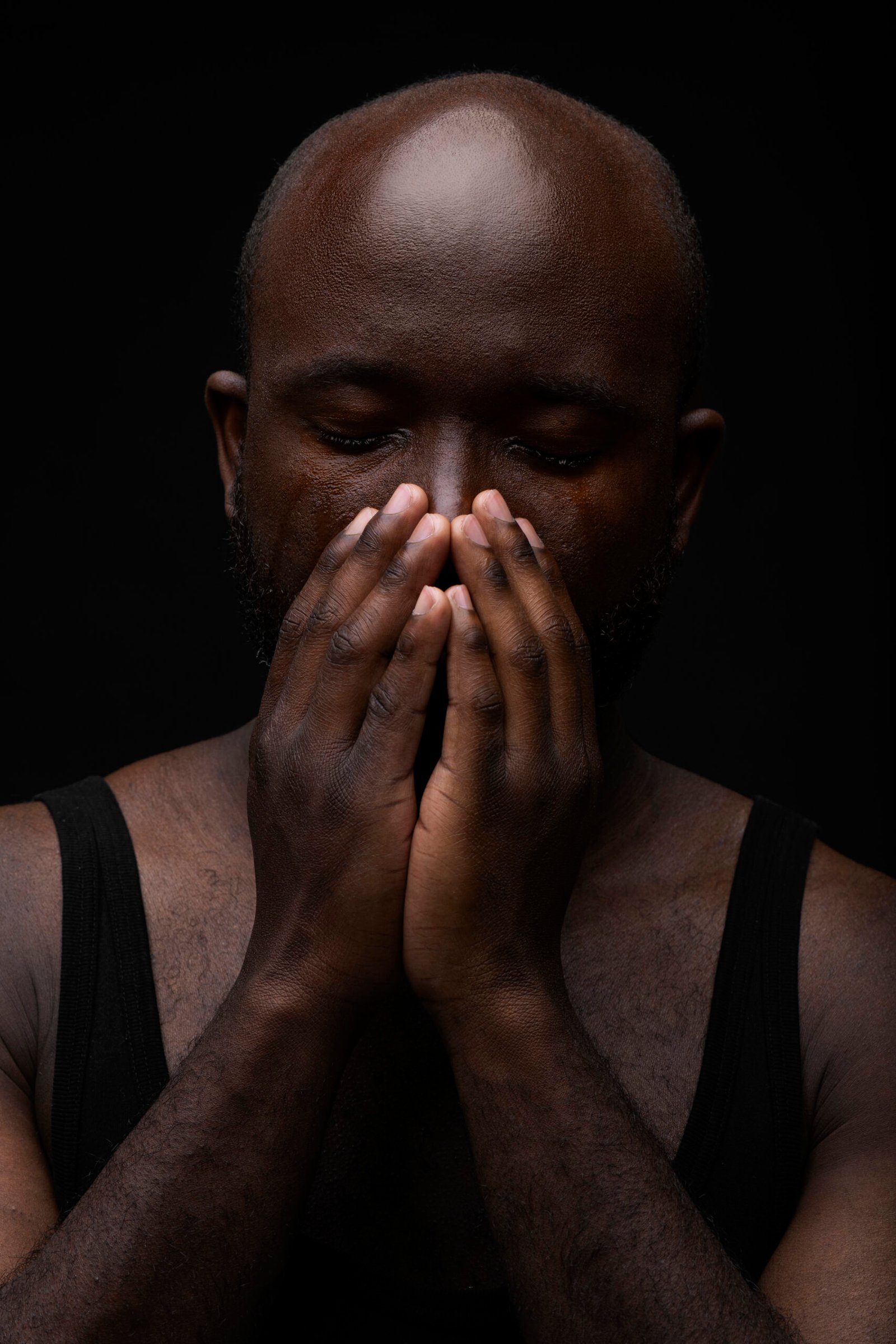


In today’s world, so many people walk around looking fine on the outside while battling invisible struggles within. Maybe that’s you right now. You’ve learned to smile through pain, laugh through exhaustion, and convince others that you’re “okay” when you’re not. But let’s be honest, mental health is not just about getting by. It’s about healing, balance, and understanding your own mind as deeply as you understand your body.
You might have noticed how easily people can be influenced when they’re emotionally vulnerable. It often begins with someone finding your soft spot, whether it’s money, love, appearance, or validation. They tell you what you want to hear. They make you believe you are always right, that everyone else is wrong, and that you deserve better. It feels good at first, doesn’t it? You finally feel seen.
But here’s the trap. This false validation isolates you. It removes accountability and feeds a cycle of dependency. When someone constantly agrees with your pain instead of helping you process it, they are not healing you. They are pacifying you. And in that moment, your emotions become a product.
If you’ve ever felt like you were being sold comfort instead of growth, pause and reflect. Ask yourself, “Is this helping me get better, or is it keeping me stuck where I am?”
Understanding What Mental Health Truly Means
Mental health is not just about being happy. It’s about being honest with yourself and with others. It’s acknowledging that healing takes time and that it’s okay to not have it all together.
When people say “mental health is health,” they mean it literally. Just like your physical body, your mind needs rest, nourishment, and attention. You wouldn’t ignore a broken leg, so why ignore a broken spirit?
You may not see your pain on an X-ray, but that doesn’t make it any less real. Every anxious thought, every sleepless night, every burst of anger or numb silence are signs from your mind asking for care.
The Pressure to Be Perfect
Society has made it easy to hide behind filters, achievements, and forced positivity. Many people believe that showing weakness is a flaw. But real strength comes from vulnerability. It comes from saying, “I need help,” or “I’m not okay today.”
For men, this often means battling the belief that expressing emotion is unmanly. For women, it might mean feeling pressured to always appear put-together or strong. Both are heavy masks to wear, and over time, they lead to burnout and emotional exhaustion.
If you’re reading this and feel tired of pretending, take a deep breath. You don’t have to be perfect to be worthy of peace.
How to Reclaim Your Mental Health
Here’s where you start taking your power back:
-
Acknowledge Your Feelings: Stop brushing them aside. Every emotion, whether anger, sadness, jealousy, or fear, is trying to tell you something. Listen before you react.
-
Set Emotional Boundaries: Not everyone deserves access to your mind and emotions. Protect your peace. Learn to say no without guilt.
-
Seek Genuine Help: Talking to a licensed therapist or counselor can change your life. This is not weakness, it’s wisdom. Healing alone is hard, but healing with guidance is powerful.
-
Avoid Quick Fixes: Be wary of anyone who promises to “fix” your pain instantly. True growth is not instant. It takes consistent work, self-reflection, and patience.
-
Reconnect With Yourself: Spend time alone, journal, meditate, take walks, and rediscover what brings you peace. Healing happens in stillness as much as in conversation.
Healing Is a Journey, Not a Race
No one’s mental health journey looks the same. Some days you will feel strong, other days you’ll feel broken. That’s okay. You are still moving forward.
Your mind is the foundation of your entire life. Take care of it the way you take care of everything else you love. Let go of guilt, let go of shame, and start building a version of yourself that feels safe, grounded, and real.
Mental health is health. Your peace matters. Your healing matters. And you deserve a life that feels just as good on the inside as it looks on the outside.
The Connection Between Mind and Body
When people talk about health, most immediately think of the body. You know when you’re sick. You feel it. You see it. Physical health problems are visible, measurable, and often taken seriously. Mental health, on the other hand, can hide behind a smile, good manners, or even success. You can look perfectly fine on the outside while your mind is quietly falling apart. But here’s the truth: mental health and physical health are deeply connected. They are not separate worlds. They work hand in hand, shaping how you live, feel, and even how long you live.
Understanding the Invisible Illness
When your mental health is suffering, it might not show up on your body right away. You may still go to work, still laugh with friends, still handle your responsibilities. But over time, that inner stress starts to show.
Anxiety can cause heart palpitations, muscle tension, and chronic fatigue. Depression can drain your energy, weaken your immune system, and affect your appetite. Emotional pain, if left unaddressed, becomes physical pain. What starts in the mind eventually finds its way into the body.
If you’ve ever had headaches from stress or stomach issues from anxiety, you’ve already experienced this mind-body connection. That’s why we can no longer treat mental health as something separate or secondary.
Why Mental Health Is Physical Health
Your mind and body communicate constantly. Every thought, every emotion, triggers a chemical reaction in your body. When you feel joy, your brain releases dopamine and serotonin. When you feel fear or anger, it floods your system with stress hormones like cortisol.
If that stress never stops, those chemicals build up and start to harm you physically. High blood pressure, inflammation, insomnia, and even heart problems can stem from untreated emotional stress. This is why saying “mental health is health” isn’t just a nice phrase; it’s science.
Taking care of your mind is as important as eating well or exercising. Because no matter how strong your body is, if your mind is struggling, your health is incomplete.
The Hidden Therapy in Everyday Life
Sometimes, therapy doesn’t look like sitting on a couch talking to a counselor. For many men, especially in communities where mental health isn’t always discussed, therapy happens in barbershops.
That 45-minute haircut becomes a safe space, a moment of honesty, laughter, and connection. You trust your barber. You talk about life, relationships, and your frustrations. It’s not formal therapy, but it’s still healing. It’s an intimate space where men let their guard down without fear of judgment.
This kind of connection matters. It reminds you that you’re not alone. It’s not about weakness, it’s about being human.
The Power of Male Vulnerability
People often say men don’t have intimate relationships. That’s not true. The intimacy just looks different. It’s the brotherhood that shows up in quiet moments. A nod of respect. A simple “get home safe.” Watching a game together and understanding what isn’t said out loud.
This kind of emotional connection helps men stay grounded. It might not look like traditional therapy, but it provides something equally powerful, something that gives a sense of belonging.
When you open up to someone you trust, even for a few minutes, you give your mind a break. You release tension that might otherwise eat away at you silently. That’s emotional hygiene. That’s mental health care.
Working Through Mental Health Challenges
If you’ve noticed your mental health affecting your body, you can start healing with a few simple but powerful steps:
1. Acknowledge What You Feel: Stop pretending you’re fine when you’re not. Feelings are signals, not weaknesses. Ignoring them only makes things worse.
2. Find Safe Spaces to Talk: Whether it’s a therapist, a trusted friend, or your barber, talking helps you release emotional weight. Keeping it inside will only make you sick.
3. Take Care of Your Body: Sleep, nutrition, and exercise are part of mental health. A tired or undernourished body makes it harder for your mind to recover.
4. Recognize When You Need More Help: If your emotions feel too heavy or your body starts showing signs of stress, reach out to a professional. Healing isn’t about pride, it’s about survival.
Bringing It All Together
Your mental health and physical health are two sides of the same coin. When one suffers, the other follows. Taking care of your mind means you’re taking care of your body too.
If you’re struggling today, start small. Breathe. Talk. Move. Rest. You don’t need to have all the answers; you just need to take the first step toward balance.
Remember, your mental health is not separate from your physical health. They are one and the same. And when you give both the care they deserve, you’ll discover a peace that lasts far longer than the next good day, a peace that becomes part of who you are.
Understanding Mental Health in Everyday Moments
Mental health is not always about therapy sessions or medication. Sometimes, it is hidden in the everyday moments we overlook. The laughter at the barbershop, the quiet trust between friends, or the exhaustion that creeps in after sleepless nights caring for your children are all reflections of the mind at work. Every small interaction and every conversation carries weight. It shapes how you think, feel, and respond to life.
The Barbershop: A Hidden Safe Space
For many men, the barbershop is more than a place for a haircut. It is a space of trust, humor, and brotherhood. Sitting in that chair, you often open up in ways you might not anywhere else. Conversations flow naturally, and somehow, they touch on everything from fatherhood to relationships to stress.
That 45-minute session can be therapy in disguise. You share stories, vent about your struggles, and even joke through the pain. The barber listens, not judging, just being there. That’s powerful. It’s a reminder that healing does not always require a couch or a clinic; it sometimes begins with trust and conversation.
If you have young children, you know what it means to be constantly tired. You may laugh about it, but deep down, that fatigue starts to take a toll. It’s not just physical tiredness. It’s emotional. The lack of rest, the endless demands, and the constant juggling of responsibilities can leave you feeling drained.
When you reach that point, your mental health begins to show signs. Irritability, forgetfulness, and even sadness may sneak in. Sometimes, you fall asleep in the barber’s chair because it is the first quiet moment you’ve had all week. That’s not laziness; it’s your body and mind begging for rest.
If that sounds like you, it’s time to slow down. Rest is not weakness. It is recovery. Give yourself permission to pause, breathe, and recharge.
The Mirror and Self-Therapy
There are moments when you have to look in the mirror and be real with yourself. You ask questions like, “Am I okay?” or “Why do I feel this way?” That’s therapy too. It’s self-awareness. It’s facing the truth without pretending.
Talking to yourself with honesty helps you recognize what you’ve been ignoring. Maybe you’re tired, maybe you’re overwhelmed, or maybe you’re just lost in the noise of life. Taking those quiet moments to reflect is a powerful way to check in with your mental health.
You don’t always need an audience to heal. Sometimes, you just need to listen to your own voice and let it tell you what you’ve been running from.
Children mirror what they see. The way they talk, express emotion, and handle frustration often comes from what they observe in you. When your child mimics your words or attitude, it’s a reminder that they are learning more from your actions than your instructions.
This reflection can be uncomfortable but also eye-opening. It pushes you to become more mindful. You start checking your reactions, your tone, and your emotional responses. You realize that taking care of your mental health is not just for you, it’s for the little ones watching you every day.
Parenting is not about being perfect. It’s about being present and aware. When you work on your peace of mind, you give your children permission to do the same.
Healing Through Real Connection
True healing happens in real connection. Whether it’s with your barber, your kids, or your reflection in the mirror, every honest moment brings you closer to peace. You don’t need to have everything figured out. You just need to keep showing up, learning, and giving yourself grace.
Take time to check in with yourself. Laugh more. Rest more. Speak kindly to yourself. These small acts are not selfish, they are necessary. Your mind deserves care just as much as your body does.
Mental health is not something outside of you. It is part of everything you do, every relationship you build, and every emotion you feel. When you honor it, your entire life begins to shift toward healing and wholeness.
The Hidden Truth About Emotional Manipulation and Mental Strength
In a world that constantly feeds off our insecurities, it is easy to become emotionally vulnerable without even realizing it. Many people are not aware of how often they are being influenced, emotionally drained, or made to believe things that keep them stuck in cycles of guilt, self-doubt, or dependency. As someone who cares deeply about your mental health, I want to talk to you directly about how emotional manipulation works and how you can protect your peace, rebuild your confidence, and reclaim control over your life.
You’d be surprised how easy it is for others to take advantage of emotional vulnerability. All it takes is knowing where your soft spots are. For some people, it might be money. For others, it might be love, approval, or insecurity about appearance or success.
If someone knows what hurts you, they can control how you think and behave. They start by making you feel like you are the victim in every situation. “You are right, they’re wrong. You don’t deserve this.” They feed that belief until you start to see yourself as powerless. They make you dependent on their validation and convince you that everyone else is against you.
The truth is, manipulation often hides behind empathy. It looks like care, but it is control. It looks like support, but it is self-interest. Recognizing this is the first step to freeing your mind from people who only serve their own agenda.
Emotional Boundaries Are Mental Armor
You must understand that your emotions are sacred. They are not a tool for someone else to use against you. Setting emotional boundaries is not selfish, it is survival. It is how you protect your energy, peace, and sanity.
Boundaries mean learning to say no without guilt. It means recognizing when someone is not good for your mental health, even if they appear loving or caring. It also means not allowing people to dictate your worth based on how much you do for them.
When you begin setting limits, you may lose some people, but you will gain peace. And peace is priceless.
Be careful of people who only tell you what you want to hear. Whether it is a fake friend, a social media influencer, or a self-proclaimed “guru,” their goal is often to keep you comfortable enough to never grow. They might say, “You don’t need to change. Everyone else is the problem.”
That mindset is dangerous because it robs you of accountability. Growth requires truth, and sometimes truth hurts. Real healing is not about always feeling good, it is about facing what you’ve been avoiding.
When someone truly cares about your mental health, they won’t just comfort you. They will challenge you to be better. They will hold you accountable while still reminding you of your worth.
The Therapist’s Mindset: Helping Without Absorbing
Many people wonder how therapists listen to heavy stories without being emotionally destroyed. The answer is emotional discipline. A therapist listens with compassion, but they do not take ownership of your pain. They understand that your healing journey is yours alone.
You can apply this same principle in your own life. When friends or loved ones open up about their struggles, it’s okay to care deeply, but remember, you cannot heal for them. You can listen, you can encourage, but you must also protect your mental space.
Empathy does not mean self-sacrifice. You cannot pour from an empty cup.
You may have been taught that being kind means being available for everyone all the time. But that belief can destroy your emotional well-being. You are not responsible for everyone’s happiness, nor should you be someone’s emotional punching bag.
Breaking free from emotional dependence means recognizing your own power. You can love people without losing yourself. You can care without being controlled. And you can walk away without feeling guilty.
Healing Through Self-Awareness
Healing begins when you start seeing yourself clearly. You are not what others say about you. You are not defined by your mistakes or your pain. You are a whole person who deserves peace, balance, and emotional freedom.
Start with small steps.
-
Check your emotional triggers.
-
Identify who drains your energy and who uplifts you.
-
Take responsibility for your healing, not for everyone else’s.
Every time you choose truth over comfort, you take a step toward mental strength.
Protecting your mental health is a daily practice. It’s about what you watch, who you talk to, and how you talk to yourself. The more you feed your mind with positivity, truth, and awareness, the harder it becomes for anyone to manipulate or break you.
If you are reading this and you feel emotionally exhausted or used, take this moment as your turning point. You are not weak for caring. You are strong for realizing it’s time to stop being controlled by the weight of others.
Your peace is worth protecting. Your growth is worth prioritizing. And your mind deserves care, just like your body does.
Stop Letting Others Control Your Mental Space
You do not deserve to live in a cycle where someone else dictates how you feel about yourself. Many people fall into emotional traps that slowly break their confidence. At first, it feels like love, validation, or support, but over time, it becomes dependency. You start believing that your worth comes from making someone else happy. When they are disappointed, you feel like you have failed.
This pattern is dangerous because it feeds insecurity and anxiety. Emotional manipulators know how to make you question your reality. They convince you that their approval is a reward, and their silence is punishment. But you are not here to please anyone. You are here to grow, to heal, and to live a life that feels authentic to who you are.
Recognizing the Signs of Emotional Manipulation
Emotional manipulation often starts with charm and attention. It feels good at first because someone is finally giving you the validation you crave. Then, it shifts. They begin to make you feel guilty for wanting space or for focusing on yourself. They say things that sound supportive, but are really meant to control you.
You might notice signs like:
-
You constantly feel the need to explain yourself.
-
You feel drained after every conversation.
-
They make you doubt your judgment or memory.
-
You feel guilty for wanting time alone.
-
You keep trying to fix things that are not your fault.
When you start losing yourself in the effort to make someone else happy, it is a clear sign that your mental health is being compromised.
Why Emotional Awareness Is a Form of Self-Protection
Awareness is not just about recognizing when something is wrong; it is about understanding how and why it affects you. The moment you become aware of manipulation, guilt, or self-blame, you reclaim control of your thoughts. Awareness allows you to pause, breathe, and choose your response rather than reacting emotionally.
Emotional awareness protects your peace. It teaches you to notice when someone is crossing your boundaries or when your self-worth starts to depend on someone else’s opinion. You begin to see that your happiness should not come from someone validating you, but from you learning to value yourself.
The Illusion of “Quick Fix” Therapy and False Comfort
In today’s world, it is easy to find false comfort online. Many people present themselves as “healers” or “coaches,” but instead of guiding you, they tell you exactly what you want to hear. They sell false positivity, promise instant healing, and create a world where accountability disappears. You are told that you are always right, and everyone else is the problem. That kind of validation feels good for a while, but it does not help you heal. It keeps you emotionally stuck.
True healing requires truth. It requires facing pain, reflecting on your part in situations, and learning from it. Therapy is not about being told that you are perfect. It is about uncovering the parts of you that need care, forgiveness, and understanding.
Reclaiming Your Power and Healing at Your Own Pace
Healing starts when you decide to stop letting others define your worth. It begins when you look at yourself with honesty and compassion. You deserve to feel safe within your own mind. You deserve to have relationships that uplift you instead of draining you.
Start with small steps:
-
Spend time alone without distraction.
-
Write down your feelings before reacting.
-
Set boundaries and keep them, even when it feels uncomfortable.
-
Seek help from trained mental health professionals, not influencers or friends who tell you only what you want to hear.
Healing is not a race. It is a personal journey that takes time, honesty, and courage.
If you have ever felt used, unseen, or emotionally manipulated, understand this: you are not broken. You are becoming aware. You are learning what you deserve and what you will no longer accept. Awareness is not weakness. It is the beginning of strength.
You do not need anyone to complete you. You are already whole. Your peace, your self-respect, and your emotional stability are worth protecting. The moment you stop seeking validation from others, you begin to heal in a way that no one can take from you.
The Hidden Struggle Men Face with Mental Health
If you’ve ever found yourself staring at the ceiling wondering why life feels heavy, even when everything looks fine from the outside, I want you to know something, you are not alone. Many people, especially men, carry silent pain because they’ve been taught to “handle it,” to be tough, to never let their guard down.
But silence does not heal pain. It only hides it until it grows too big to carry. You do not have to break down to deserve care. You do not have to lose everything before you reach out. Healing begins the moment you tell yourself that it’s okay to not be okay.
Why Many Men Avoid Therapy
Let’s be honest. Many men see therapy as a sign of weakness. Society has made it seem like you only go when something is wrong with you. That idea has pushed countless men into isolation, addiction, and self-destructive behaviors not because they’re broken, but because they’ve been told to keep everything bottled up.
Therapy isn’t about fixing you. It’s about understanding you. It’s about learning why you react the way you do, why you shut down, or why you sometimes feel numb. Everyone can benefit from therapy, not because something is wrong, but because it helps you grow into someone more aware, balanced, and emotionally free.
There are moments when life can feel unbearable. You might not want to die, but you just want the pain to stop. You start thinking, “Maybe they’d be better off without me.” If that thought has ever crossed your mind, I want you to pause and really hear this; your existence matters.
You are not a burden. The world is not better without you. Those thoughts are not the truth; they are symptoms of exhaustion and emotional pain. When your mind is overwhelmed, it lies to you. It convinces you that you don’t belong. But what you’re really craving isn’t death; it’s relief, peace, and a chance to start over. That peace is possible. You can reach it through therapy, connection, and time.
Strength is not silence. Strength is not pretending everything is fine while your world feels like it’s falling apart. True strength is saying, “I need help.” It’s allowing yourself to cry, to talk, to heal. It’s walking into a therapist’s office, sitting down, and saying, “I don’t know where to start, but I’m here.”
That moment is not weakness, it’s the purest form of courage.
How to Start Healing
Healing doesn’t happen overnight, but it begins with one small step.
-
Talk to someone you trust. A friend, a family member, or a professional. You don’t have to share everything, just start with one truth.
-
Find a licensed therapist. Not an influencer, not a motivational speaker, but someone trained to listen and guide you through real healing.
-
Take care of your body. Sleep, eat, move, and breathe. Your mind and body are connected.
-
Be patient with yourself. You’ve been surviving for so long. Healing will take time, and that’s okay.
You are not weak for feeling broken. You are human for feeling deeply.
The moments when you feel like giving up are the same moments that can lead to transformation if you reach for help instead of silence.
There’s a version of you that laughs again, that loves again, that wakes up without the weight you’re carrying right now. That version of you is waiting on the other side of healing. You don’t have to find him overnight, you just have to keep showing up.
How vulnerability, ego, and the internet collide to shape a new era of emotional awareness
In a time where everyone has a microphone, a platform, and an opinion, one truth cuts through the noise. Too many men, especially Black men, are carrying invisible battles behind calm faces. Conversations once dismissed as “soft” are finally becoming sacred spaces for truth. What used to happen behind closed doors is now being unpacked on podcasts, group chats, and therapy couches. The message is simple, emotional survival is not weakness; it’s wisdom.
For decades, Black men were taught to “man up,” to be unshakable, unbothered, and untouchable. But inside, many are breaking quietly. The generational conditioning to stay strong has created a deep emotional drought.
Today, a new generation is changing that. Across barbershops, basketball courts, and online platforms, more Black men are saying the words that used to feel forbidden, “I’m not okay.” They’re learning that therapy isn’t a punishment or a fix for broken people, it’s a path toward self-awareness, peace, and release.
Yet, there’s a reason some still hesitate. As one speaker in the conversation said, “Therapy’s been weaponized, especially toward men. It’s like they tell you to go because something’s wrong with you.”
That perspective matters. Therapy isn’t about repair; it’s about revelation. It’s about seeing your patterns, understanding your pain, and giving your emotions the same care you give your body at the gym.
When Ego Becomes a Mask
Every man knows the armor, that silent, tough shell you wear when the world feels too heavy. But when ego becomes a mask, it hides the very emotions that need attention most. One voice in the dialogue put it powerfully:
“It don’t feel like me. It feels like that was somebody else. It’s like I lost a fight to myself.”
That statement echoes across generations. So many men mistake survival mode for strength, not realizing it’s a trauma response, a learned reflex from years of having no safe space to feel. Anger, aggression, or emotional shutdown become the default language when sadness and fear have no words.
Healing begins when you can name what hurts. Real strength isn’t in suppressing emotion, it’s in facing it without shame.
There’s a shift happening. Black men are redefining masculinity, not as the absence of vulnerability, but as the presence of self-control, empathy, and accountability.
When one man in the conversation confessed his struggle with suicidal thoughts, not wanting to die but “not seeing the need to be here,” the silence in the room turned into understanding. That’s the power of openness. It turns pain into connection. It says to every listener, “You’re not crazy, and you’re not alone.”
Therapy, for many, becomes the place where that healing starts. It’s not just about talking; it’s about transforming. It’s about unpacking the habits that once felt like protection but now feel like prisons.
The Noise of the Internet and the Quiet of the Mind
Today, everyone has a camera, a podcast, a post, and opinions about mental health flood the timeline. While this visibility helps normalize the conversation, it also makes it easy to get lost in performance. As one man said, “A microphone and a camera will make people believe anything.”
This is the paradox of the digital age. We’re talking about mental health more than ever, yet many are still silently suffering. The performance of wellness, the quotes, the hashtags, and the aesthetics cannot replace the real work of introspection, boundaries, and honest conversation.
The internet can amplify healing, but it can also distract from it. True healing happens offline, in the quiet, in therapy sessions, in journals, and in vulnerable talks that aren’t recorded for content.
There’s something powerful unfolding among Black men today, a kind of emotional renaissance. From hip-hop artists speaking openly about therapy to athletes addressing depression and childhood trauma, the narrative is shifting.
We’re witnessing a movement where men are reclaiming emotional literacy. They’re saying: “I can be strong and still be soft. I can protect and still cry. I can lead and still need help.”
That’s evolution. That’s growth. And it’s reshaping what it means to be a man in a society that once told them to suffer in silence.
How to Begin Your Healing Journey
Healing starts small. You don’t need a perfect plan; just permission.
-
Acknowledge your emotions. Stop labeling them as weakness.
-
Find your outlet. Whether therapy, prayer, music, or journaling. Express what’s inside.
-
Talk to someone you trust. Connection creates perspective.
-
Detach from ego. It’s okay to not have all the answers.
-
Protect your peace. Limit online noise; create time for stillness.
Remember: asking for help doesn’t make you less of a man. It makes you human, and humanity is the foundation of every real connection.
Black men are rewriting their emotional story. They’re unlearning generations of silence and reclaiming their right to feel. In this era of microphones and screens, the most radical act might be speaking truth, not for likes or applause, but for liberation.
Therapy isn’t a trend. It’s a tool that transforms pain into purpose and ego into empathy. Healing isn’t about fixing who you are; it’s about freeing who you’ve always been.
A Guide to Understanding Your Emotional Weight and Finding Peace
If you are reading this, you might be tired of pretending that everything is fine. Maybe you wake up and go through the motions, but inside, you feel disconnected, numb, or constantly on edge. I want you to know that you are not broken. You are human, and being human means carrying experiences that shape how you think, feel, and respond to life.
Many of us grow up being told to be strong, to keep moving, to handle things ourselves. That advice may have helped you survive hard times, but it also might have taught you to silence your emotions. What once protected you can slowly turn into a barrier that keeps you from healing.
The Weight You Carry Is Real
Every person has a story, and within that story are lessons, wounds, and memories that never got the attention they deserved. Maybe you learned to hide pain by keeping busy. Maybe you were raised to believe that showing emotion makes you weak. Maybe the people who were supposed to guide you did not have the tools to do so.
All those moments build up, and they do not just disappear because you grew older. They live inside you, shaping your reactions, your confidence, your relationships, and your peace of mind.
I often compare emotional pain to a freight train. Imagine that train moving fast, filled with everything you have experienced, including trauma, heartbreak, rejection, loss, and expectations. When you realize you need to stop and change direction, you hit the brakes, but that train cannot stop right away. It slides for miles before it finally slows down. That is how healing works. You cannot undo years of emotional habits overnight. It takes patience and awareness.
Understanding Emotional Triggers
You might not always understand why you react strongly to certain situations. Sometimes you feel angry, shut down, or withdraw completely. That is not because you are weak or broken. It is because your mind and body have been trained to protect you from pain.
When you grew up around tension, criticism, or emotional neglect, your nervous system learned to stay alert. It became your defense mechanism. The problem is, that defense can keep running long after you are safe.
Learning to notice your triggers is one of the first steps to healing. Pay attention to moments when your body tenses, your chest feels heavy, or your mind starts racing. Those reactions are messages. They are your mind’s way of saying, “This reminds me of something I never got to heal from.”
The Power of Therapy and Honest Conversation
Therapy is not about fixing you. It is about helping you understand yourself. It is a space where you can unpack your emotions without judgment, learn to communicate better, and rebuild your relationship with yourself.
Some people avoid therapy because they believe it means something is wrong with them. In truth, therapy is one of the most powerful tools for personal growth. You do not need to be at rock bottom to seek help. You can go simply because you want to feel lighter and more in control of your emotions.
If you are not ready for therapy, start by talking. Talk to a trusted friend, a family member, or even write your thoughts in a journal. What you express does not control you anymore. Silence, on the other hand, feeds pain.
Breaking Emotional Cycles
Many of us were not taught how to manage emotions in healthy ways. Some of us grew up watching parents or role models handle stress with anger, avoidance, or silence. Those patterns pass on silently from one generation to the next until someone decides to stop and say, “It ends with me.”
You can be that person. You can teach your children and your loved ones what emotional safety looks like. You can show them that it is okay to feel, to ask for help, and to grow.
Breaking the cycle is not easy. It takes awareness and consistent effort. But every time you pause before reacting, every time you choose peace over pride, and every time you speak honestly instead of shutting down, you are rewriting your story.
Serving Others and Healing Yourself
Sometimes healing comes from giving. When you serve others, you create connection and purpose. Whether it is helping in your community, supporting someone in need, or simply being kind to a stranger, service reminds you that your presence has value.
Helping others does not mean ignoring your own needs. It means understanding that compassion is a two-way street. When you give, you also receive healing. It restores faith in humanity and reminds you that despite everything, there is still good in you and around you.
There was a time when being tough helped you survive. But survival is not the same as living. The moment you decide to face your emotions instead of running from them, you begin to grow. Growth looks different for everyone. It could be forgiving yourself, setting boundaries, or learning how to rest without guilt.
Do not rush your process. Healing does not follow a straight line. Some days you will feel strong. Other days you might feel like you are back where you started. Both are part of progress.
How to Start Your Healing Journey Today
-
Acknowledge your pain. Stop pretending it does not exist.
-
Create a safe space. Spend time in silence, nature, or with people who bring calm, not chaos.
-
Talk about it. Silence is heavy, and speaking releases that weight.
-
Seek help. A counselor or therapist can guide you through the parts you cannot face alone.
-
Be patient with yourself. Healing takes time. Give yourself permission to be a work in progress.
You are not weak for feeling lost or tired. You are human. You are carrying stories that deserve to be heard, not buried. Every day you choose to understand yourself instead of running from yourself is a day of healing.
Mental health is not about perfection. It is about learning to live honestly, to feel fully, and to keep choosing yourself, one moment at a time. You do not have to walk this path alone. Help is out there, and healing is possible. You deserve peace, and you have every right to find it.
Understanding the Pressures Men Carry
Let’s be honest. Being a man today feels heavy. You are expected to lead, protect, provide, and stay calm even when you are breaking inside. You are taught not to cry, not to show weakness, and never to let anyone see you struggle. But that silence builds pressure. It becomes a weight that sits deep in your chest until one day, it feels like you cannot breathe.
Many of us learned how to survive by pretending everything was fine. We were told to push through, to man up, to stay tough. And for a while, it worked. But the truth is, that survival mindset does not always help you heal. It only hides the pain.
The Hidden Cost of Silence
When you stay quiet about what hurts you, the pain does not disappear. It changes shape. It shows up in anger, in impatience, in sleepless nights, in broken relationships, and in the way you disconnect from people who care about you.
Men often think that being strong means carrying everything alone. But true strength is learning to let go of what no longer serves you. It is sitting with your emotions instead of running from them. It is choosing to talk when your mind tells you to stay silent.
You may not even realize how much your past affects your present. The way your father handled stress, the things you saw growing up, the lessons that were never spoken but always felt. All of it shaped how you deal with emotion today.
How Our Upbringing Shapes Our Emotional World
Maybe you grew up watching your father carry the world without saying a word. Or maybe you saw him break and decided you never would. Those early experiences built the way you move through life now.
Some men learned service early. They watched their parents help others and discovered the peace that comes from giving. Others grew up in chaos, where control and dominance felt like the only safety. Both paths shape how you love, how you trust, and how you see yourself as a man.
Our emotional wiring is not something we can just switch off. It is like a train carrying years of experiences, beliefs, and pain. When you finally decide to hit the brakes, that train will not stop instantly. Healing takes time. But the first step is knowing that you can stop. You can change. You can choose to respond differently.
Why Every Man Deserves a Safe Space
It is not weak to ask for help. It is human. When you walk into therapy or sit down with someone who listens without judgment, you are not less of a man. You are a man who is ready to understand himself.
Different men have different pressures. A Black man might feel the weight of being misunderstood or constantly judged by society. A white man might carry guilt or confusion about privilege and identity. A gay man might carry fear of rejection or invisibility. But beneath it all, the emotions are the same. The need to be seen. The desire to be heard. The wish to be enough.
Healing does not mean you forget where you come from. It means you learn how to carry it differently. It means you stop fighting every battle alone.
Men and Emotional Connection
Men often struggle to connect emotionally because they fear being misunderstood. Around women, they feel dismissed. Around other men, they feel judged. So they shut down. They stop speaking. But silence is not peace. It is pressure.
You do not have to prove your strength by pretending you feel nothing. Real connection starts when you stop performing strength and start living truth. Every man you know has been hurt, confused, scared, or lost at some point. When you understand that, you begin to build empathy for yourself and others.
The Path Toward Healing
Healing does not happen overnight. It is slow. It is uncomfortable. But it is worth it. You begin by naming what hurts. You start by forgiving yourself for what you did not know back then. You learn to talk to yourself the way you would talk to someone you love.
Here is something to remember: You cannot pour from an empty cup. You deserve rest. You deserve peace. You deserve love that does not demand you hide your pain.
If you are struggling, talk to someone. A counselor, a friend, a mentor, anyone who can hold space for you without judgment. You are not weak for needing help. You are wise enough to seek it.
No one has it all figured out. Every man you see is still learning how to balance his past and his present, how to love himself and others better, how to heal from what hurt him.
You do not need to have all the answers. You only need to start asking the right questions. What do I feel right now? What do I need? What would peace look like for me?
You are not broken. You are human. And every step you take toward understanding yourself is a step toward freedom.
How to Reconnect With Your True Self
Picture yourself walking down the street, thinking about how others might see you. Maybe you want to enjoy a quiet drink, but you stop and think, “What will people say if they see me?” You start adjusting your actions, not because you did anything wrong, but because you fear how others might judge you.
This constant self-monitoring can feel suffocating. You begin to realize that you are living more for people’s perceptions than for your own peace of mind. Over time, that can leave you disconnected from who you really are. You stop doing what makes you feel free because you are too focused on how it might look.
When you live under the weight of image and expectation, it drains your spirit. You start surviving instead of living. You begin to feel invisible, even to yourself.
The Hidden Cost of Always Being “Perfect”
Many people grow up being told to always “do the right thing.” You learn to make decisions based on how they will make others proud, not how they will make you whole. You follow rules, stay disciplined, and avoid mistakes. You achieve success, but sometimes that success feels empty because it came at the cost of your freedom.
When you are always trying to be safe, you stop being yourself. You begin to live in a quiet cage built from fear of judgment. The truth is, perfection is not peace. The more you chase approval, the further you move away from authenticity.
It is okay to want to make your parents proud. It is okay to want to represent your community with dignity. But it is also okay to want to live your own truth. You can honor your upbringing while still becoming your full, authentic self.
The Pain of Growing Up Too Fast
Some people had to grow up before they had a chance to experience life. Maybe you were focused on sports, education, or family responsibilities. You sacrificed parties, relationships, and freedom for your goals. You stayed disciplined when others were free to experiment, fail, and learn.
Now, as an adult, you might feel like you missed something. You might wonder what it feels like to let go, to make mistakes, to just live without always thinking about consequences. That curiosity does not mean you are reckless. It means a part of you still wants to feel alive.
The problem is that trying to relive those missed experiences later in life can be confusing. You may feel torn between maturity and the desire to explore what you never got to before. That conflict can create emotional tension, especially when you have responsibilities, relationships, or a public image to maintain.
Living Under Constant Judgment
In many communities, especially among men, there is a constant pressure to be strong, composed, and successful. You are told not to show weakness. You are taught that vulnerability looks like failure. Over time, that pressure becomes a silent burden. You hide parts of yourself that need healing because you fear judgment.
You become cautious about who you associate with, what you say, and how you act. You start separating yourself from situations that might affect your reputation, even if those moments could bring joy or authenticity.
But here is the truth: always being cautious can make you lose connection with your real self. You end up protecting an image instead of protecting your peace.
You deserve to be seen for who you are, not who people think you should be.
The Journey Back to Yourself
Healing begins when you allow yourself to reconnect with the parts of you that you locked away. It starts when you stop living by other people’s rules and start asking yourself what truly feels right for you.
Ask yourself:
-
When was the last time I did something that made me feel alive, not just approved of?
-
When was the last time I made a decision for my peace, not for my reputation?
-
Who am I when no one is watching?
These questions open the door to emotional freedom. They help you understand the difference between living for appearance and living with purpose.
You do not have to be perfect to be respected. You do not have to meet everyone’s expectations to be valuable. You just have to be real.
Start giving yourself permission to explore again. Let yourself feel, make mistakes, and grow. You are not defined by your past or by the image people have of you. You are defined by how you choose to heal and evolve.
The more you reconnect with your authentic self, the lighter you will feel. You will no longer carry the weight of other people’s opinions. You will find peace in being fully, unapologetically you.
There is nothing wrong with wanting to be respected. But do not let that desire silence your spirit. You can be responsible and still be free. You can be grounded and still enjoy life.
Mental health begins with honesty. The moment you stop pretending and start being real, healing begins. The moment you stop performing strength and start practicing truth, you start to feel peace again.
You have spent enough time proving your worth. Now it is time to live it.
How to Strengthen Your Mental Health from the Inside Out
Many people go through life without truly knowing what they look like on the inside. You might look in the mirror and see a body, but not a person. You might know your goals, but not your essence. This happens when you spend more time trying to live up to what others expect than listening to what you truly feel.
Having a healthy self-image is more than appearance. It is about seeing yourself with truth and compassion. When you know who you are, you stop needing validation from people who do not understand your journey. You begin to live with quiet confidence instead of constant performance.
The Power of Awareness and Routine
Mental health is not built overnight. It grows slowly through the small choices you make every day. You do not need to do something grand to feel better. You only need to begin.
Start with simple, low-impact habits that nurture peace of mind:
1. Start and Finish Small Tasks
Unfinished projects weigh on your mind more than you realize. Just like leaving too many apps open on your phone slows it down, leaving unfinished goals open in your life drains your energy. Pick one small task and complete it. It could be cleaning a shelf, organizing your clothes, or fixing something in your home. Finishing brings calm to your thoughts.
2. Practice Stillness
Silence can be uncomfortable when you are used to noise. But sitting quietly with your thoughts helps you reconnect with yourself. Try eating alone without your phone. Spend time in silence to notice what your mind says when the world stops speaking. That is often where healing begins.
3. Feed Your Mind with New Perspectives
Growth comes from challenge. Listen to voices that see the world differently than you do. You do not have to agree with them, but listening expands your awareness. It trains your brain to process emotions and disagreements without feeling attacked. This emotional flexibility protects your peace.
4. Let People Be Wrong About You
Not every misunderstanding deserves your reaction. Sometimes peace means allowing others to think what they want while you protect your energy. When you stop defending yourself constantly, you gain freedom from emotional exhaustion.
Self-care is not limited to luxury or leisure. It is not only spa days, vacations, or scented candles. True self-care is discipline, emotional awareness, and rest.
It can mean saying no to an argument that drains your peace. It can mean staying off social media when you are overwhelmed. It can mean allowing yourself to rest without guilt.
Self-care is not about running from reality. It is about learning to meet it from a place of calm strength.
Understanding Your Environment
Not every person can express vulnerability the same way. Sometimes the world around you is not safe for softness. If you grew up in a neighborhood or household where strength was survival, being open with emotions might feel dangerous.
As your mental health improves, learn to read your environment with wisdom. Emotional healing does not mean being naive. It means learning when to be open and when to protect your peace. Some situations require strength and control. Others allow softness and reflection. Both can exist in balance.
Knowing when to reveal emotion and when to guard it is a sign of emotional intelligence. Healing does not erase your past survival instincts. It teaches you how to use them with awareness instead of fear.
The Importance of Therapy and Community
Talking to a therapist does not make you weak. It makes you aware. A therapist helps you untangle thoughts that have been stuck in your mind for years. They offer tools that make you emotionally lighter and mentally sharper.
But therapy does not only happen in an office. It can happen during a quiet talk with a friend, during a workout, or while writing your thoughts in a journal. What matters is that you find safe spaces where you can express what is real without judgment.
Healing is not a luxury. It is a right. You deserve to live with a clear mind and an open heart.
Mental health is not about being happy all the time. It is about learning how to move through life without losing yourself in the noise. It is about facing what hurts without letting it define you.
You do not need to have all the answers today. You just need to begin. Start small. Sit in silence. Learn yourself again. And remember, strength is not about how much pain you can hide. It is about how much truth you can carry without fear.
You are allowed to grow. You are allowed to rest. You are allowed to heal.
How Men Can Heal from Relationship Burnout and Reconnect Emotionally
There comes a time in every man’s life when he feels drained. Not just tired, but emotionally exhausted. The kind of tired that sleep cannot fix. You show up every day, provide, support, listen, and protect, yet deep inside, it feels like no one notices how much weight you are carrying.
If you are reading this and silently nodding your head, it means your spirit is asking for a reset. This is not weakness. It is awareness. It is the first step toward emotional healing and peace.
Understanding Relationship Burnout
Relationship burnout is real. It happens when emotional giving outweighs emotional receiving. You keep showing up, but the connection feels distant. You love deeply, but you feel unseen. You communicate, yet it feels like no one is hearing you.
When that imbalance lasts too long, your emotional energy starts to fade. You might begin feeling numb, irritated, or emotionally disconnected from your partner. You may even feel guilty for not feeling the same passion or connection you once did.
This is not a sign that your relationship has failed. It’s a sign that you need restoration.
Signs You’re Experiencing Relationship Burnout
If you’ve been feeling heavy lately, here are some signs that you may be experiencing relationship burnout:
-
You feel emotionally drained after conversations.
-
You no longer get excited to share your wins or struggles.
-
You feel like you are walking on eggshells.
-
You avoid intimacy, not out of lack of love, but out of emotional fatigue.
-
You begin to withdraw and crave silence more than connection.
If any of these sound familiar, pause and take a breath. Healing starts with awareness.
Step 1: Reconnect with Yourself Before You Reconnect with Anyone Else
You cannot pour from an empty cup. Before trying to fix the relationship, focus on yourself.
Spend time alone without distraction. Take a walk without your phone. Sit in silence. Journal what you truly feel, even if it’s messy. Let your emotions flow without judgment.
The goal is not to “man up.” The goal is to understand yourself again.
Ask yourself:
-
What am I truly feeling right now?
-
What do I need emotionally that I haven’t been giving myself?
-
When was the last time I felt peace?
The more you reconnect with your inner self, the more clarity you’ll gain about what your heart really needs.
Step 2: Speak Your Truth with Calmness and Honesty
Emotional healing begins with honest communication. Not aggressive, not defensive; just real.
If something feels off in your relationship, say it. But say it with the goal of healing, not blaming. Speak from your experience, not accusation.
Instead of “You don’t listen to me,” try saying, “Lately, I feel unheard, and I want to reconnect with you.”
This simple shift changes the energy of your conversations. It creates space for understanding instead of conflict.
Step 3: Redefine Strength and Vulnerability
Real strength is not hiding your pain. It’s facing it with courage.
Many men were raised to believe that emotions make them weak. That belief destroys connection. When you shut down your emotions, you also shut down your ability to love deeply, to heal, and to be understood.
Vulnerability is not about crying in public or oversharing. It’s about being real with yourself and those you love. It’s saying, “I’m tired,” when you’re tired. It’s saying, “I need support,” when life feels too heavy.
That level of truth takes power, not weakness.
Step 4: Let Go of the Guilt
You are not supposed to have it all figured out. You are not supposed to carry everyone’s pain on your shoulders.
Stop beating yourself up for not being perfect. Relationships evolve. People change. Life shifts. What matters is your effort to stay aware and intentional.
Healing happens when you forgive yourself for being human.
Step 5: Seek Professional Help Without Shame
Going to therapy is not a sign that something is wrong with you. It’s a sign that you value your peace enough to protect it.
Even mental health professionals see therapists. Having knowledge of the mind does not mean you are immune to emotional pain. You are human before anything else.
Therapy helps you see patterns that you can’t recognize alone. It helps you break emotional cycles that keep repeating. It gives you tools to rebuild yourself with clarity.
Step 6: Create Small Moments of Joy Again
Healing is not all deep conversations and hard work. It’s also laughter, music, sunlight, and rest.
Start doing small things that make you feel alive again; listening to your favorite song, watching a game without guilt, walking outside, cooking a meal, or reconnecting with old friends.
These moments refill your emotional tank. They remind you that joy is not gone, it’s just waiting for you to make space for it again.
Step 7: Be Patient with Your Healing
Emotional recovery takes time. You might have good days followed by hard ones. That’s okay. Healing is not linear.
Some days you’ll feel strong and centered. Other days you might feel like you’re starting over. What matters is consistency, the small daily steps that lead you back to peace.
Be patient with yourself. You’re rebuilding a stronger version of you.
Healing Is Not a Destination, It’s a Lifestyle
True healing doesn’t mean life will be perfect. It means you’ve learned how to protect your peace no matter what happens.
As a man, your emotional well-being matters. You deserve to feel grounded, loved, and understood. You deserve relationships that nurture you, not drain you. You deserve to feel proud of the person you are becoming.
Keep going. Keep growing. And remember, you are not alone on this journey. Healing starts with awareness, and you’ve already taken the first step.
For more information visit this link or message us on mentalhealthcapacity@gmail.com