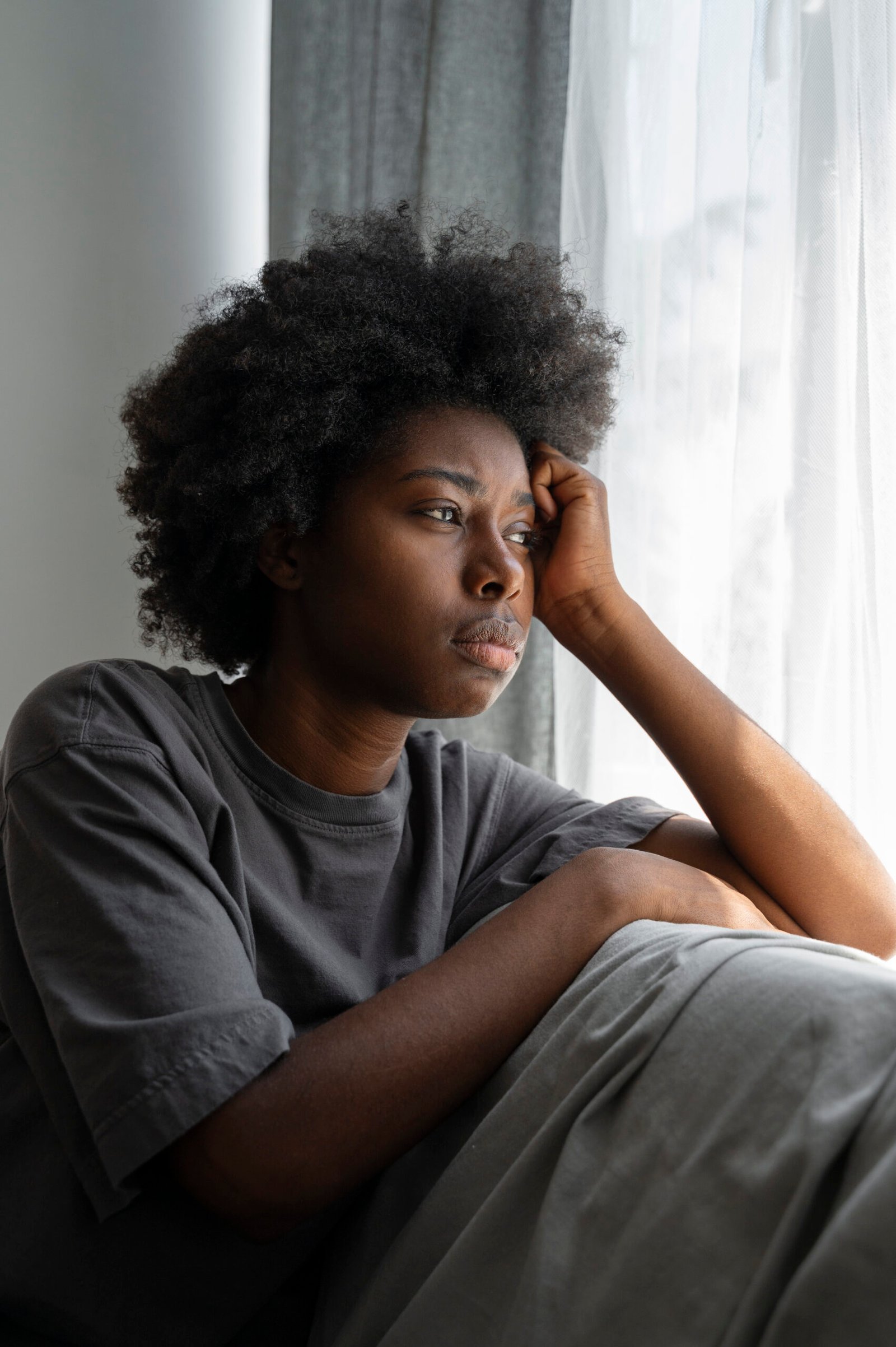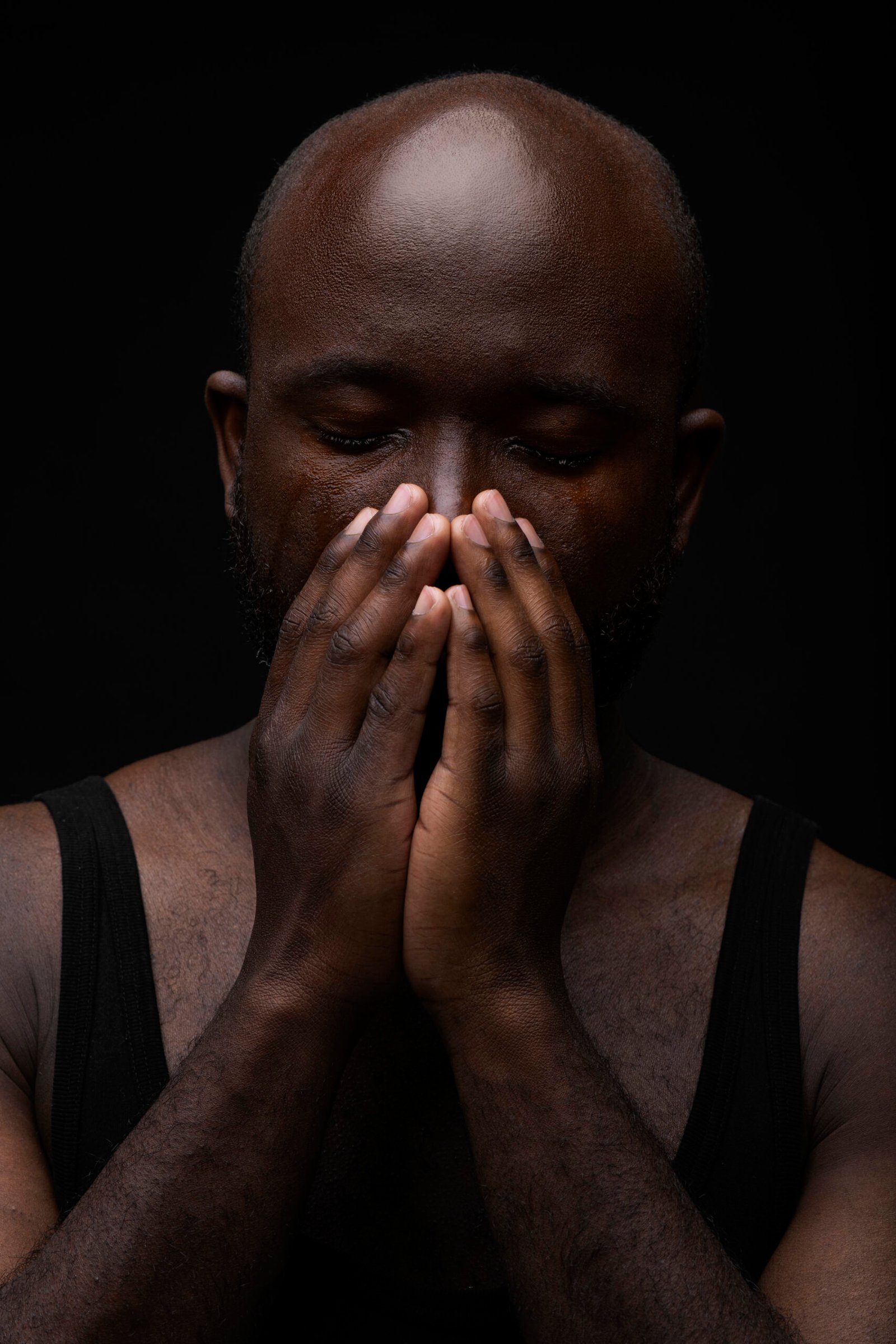

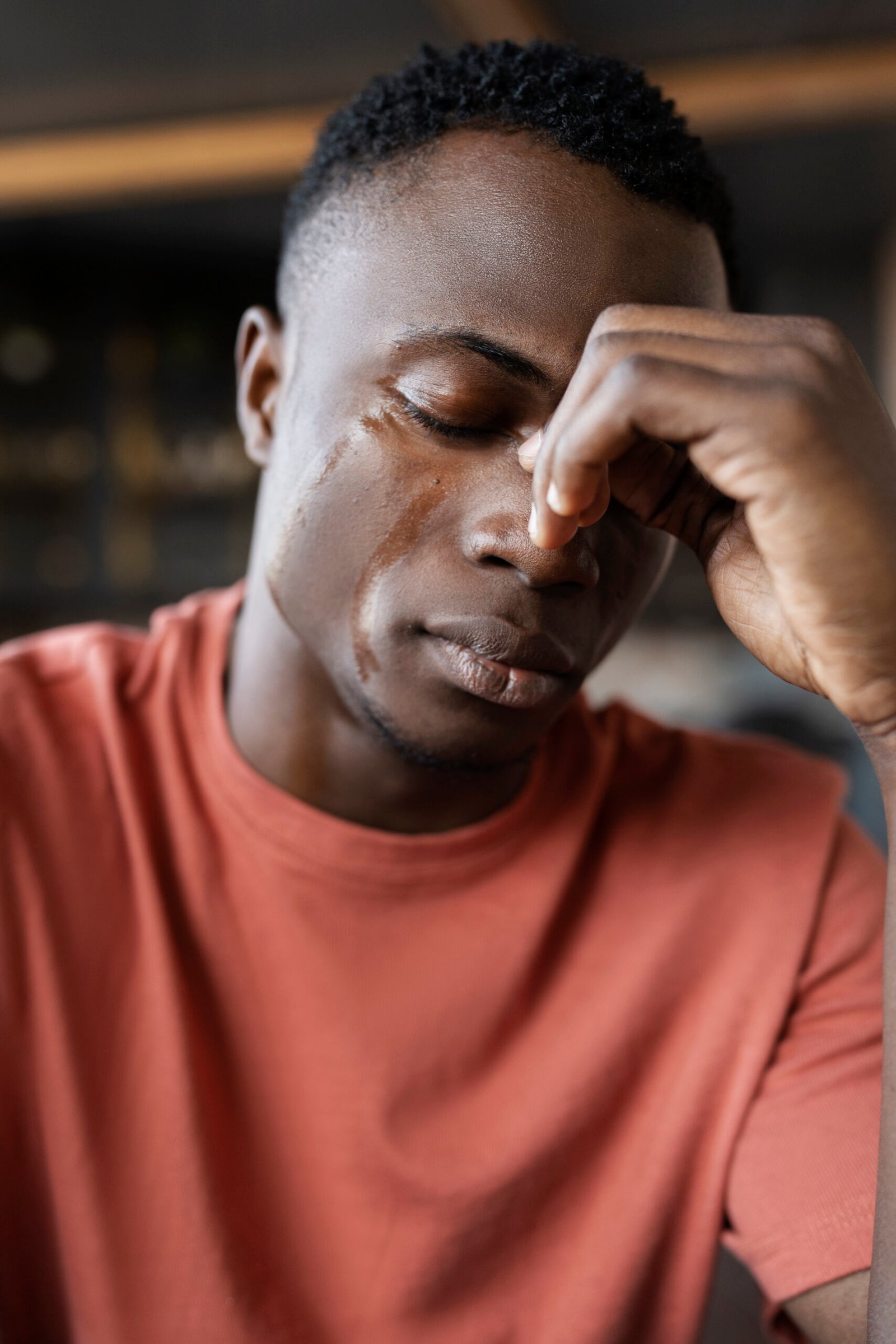
Across many Black communities, strength has long been defined by endurance, control, and quiet resilience. From an early age, many Black men are taught that emotions are a sign of weakness and that silence is a measure of manhood. This idea has created a dangerous stigma that discourages open conversations about mental health. The result is a cycle of emotional suppression, untreated pain, and hidden struggles.
It is time to challenge that belief. True strength is not about hiding what hurts. It is about acknowledging emotions, understanding your mental state, and taking active steps to heal. Mental health capacity begins with awareness, education, and open dialogue.
The Weight of Unspoken Pain
Many Black men experience high levels of stress, discrimination, and pressure to perform in both personal and professional spaces. The cultural expectation to remain silent about emotional pain only deepens the impact. Without healthy outlets, internalized pain can manifest as anger, isolation, or self-doubt. These emotional barriers can affect relationships, work performance, and physical health.
When mental health struggles are left unspoken, the mind carries a burden it was never meant to bear alone. Silence does not protect anyone; it isolates and weakens. Building emotional capacity requires acknowledging pain, not avoiding it.
The path to mental wellness begins with redefining what it means to be strong. Strength is the ability to be vulnerable, to seek help when needed, and to confront emotional truths with honesty. Therapy, peer support, and self-reflection are essential tools in this process. They empower individuals to take control of their emotional health rather than letting stigma control them.
Building mental health capacity is not just an individual effort. It involves creating safe environments where Black men can express themselves without judgment. It also means encouraging open conversations in families, churches, workplaces, and community centers.
Healing as a Collective Effort
Mental health does not exist in isolation. When one person heals, the entire community benefits. Breaking the stigma requires a collective commitment to support, empathy, and understanding. This includes normalizing therapy, sharing personal stories, and promoting education about mental wellness.
Communities thrive when individuals feel mentally strong, emotionally supported, and spiritually grounded. Creating that balance is a shared responsibility that starts with compassion and connection.
The silence surrounding mental health in Black men has lasted for generations, but it does not have to continue. Each conversation, each act of openness, and each moment of vulnerability creates space for healing. The journey toward wellness begins with acknowledging that you deserve peace, clarity, and balance.
If you are struggling, reach out for help. There is strength in admitting that you need support and power in taking steps toward recovery. Healing is not a sign of weakness. It is a declaration of self-worth.
By confronting the strong silent stigma, we can build a future where Black men thrive not in silence, but in strength, self-awareness, and community connection.
Understanding the Silence
For generations, Black men have been conditioned to suppress emotion, avoid vulnerability, and wear strength like armor. Society has rarely offered safe spaces for honest conversations about pain, depression, or emotional exhaustion. Many are told to “man up” rather than to heal. This mindset has created a culture of quiet suffering that must be addressed with compassion, education, and community support.
As a certified mental health advocate trained in psychological first aid, I have seen the transformative power of open dialogue. Through organizations such as Black Men Heal, brothers across the nation are finding access to therapy, resources, and safe communities that help dismantle the stigma surrounding mental health. Healing begins when silence ends.
What Makes a Space Truly Safe?
A true safe space is not one that declares itself to be safe. It is a space that feels safe because of the trust, respect, and empathy within it. Many Black men struggle to open up because they have been hurt or judged when showing emotion. A safe space is built through consistent care and understanding, not through labels or promises.
Emotional safety comes from knowing that your vulnerability will be met with compassion, not criticism. When a man says he is struggling with anxiety, depression, or burnout, he should not fear being dismissed or shamed. Safety is not about perfection; it is about presence, patience, and protection.
The Fear of Vulnerability
One of the greatest challenges for Black men is the fear of being judged for expressing emotion. Vulnerability feels risky because it involves trust. Many fear that if they open up about pain or mental struggles, others might use that honesty against them. This fear is especially strong in relationships, where emotional exposure can feel dangerous.
For many men, emotions are their greatest asset, but also their greatest risk. When they share how they truly feel, they are placing that emotional truth in someone else’s hands. The question becomes, “Will this person protect my feelings or weaponize them?” This fear often keeps men silent, reinforcing the cycle of isolation.
Redefining Strength and Honesty
True strength lies in honesty. Before a man can be vulnerable with others, he must first be honest with himself. That means acknowledging emotions without shame and recognizing when help is needed. Being real about mental struggles is not a weakness; it is an act of courage and self-respect.
Black men must give themselves permission to feel without judgment. Just as someone with diabetes would openly discuss their need for insulin, mental health challenges should be viewed as part of how the brain functions. Talking openly about mental health removes the power of stigma and replaces it with understanding.
Building a Culture of Healing
Healing is a community effort. Each conversation about mental health helps to normalize it. Each act of honesty breaks a generational barrier. Safe spaces are created when men support one another, when communities listen without judgment, and when vulnerability is met with respect.
The journey toward wellness is both personal and collective. It starts with self-awareness and grows through connection. Together, we can redefine what strength looks like for Black men. Strength is not silence. Strength is the courage to seek help, to speak truth, and to heal openly.
It is time to change the narrative. Black men deserve spaces that are safe, supportive, and grounded in understanding. They deserve to be heard, seen, and valued beyond their ability to endure pain. The strong silent stigma ends when we choose honesty over fear and connection over isolation.
Healing begins with one decision: to speak, to share, and to seek support. When we do that together, we build a future where mental wellness is not a privilege, but a right for every Black man.
When Strength Becomes Silence
Too often, Black men are expected to carry the weight of strength without showing any signs of struggle. The cultural script says, “keep going, stay strong, don’t cry.” But the truth is that pretending to be fine while breaking inside has never been a sign of power. It is a sign of pain left unspoken.
There are many brothers who wake up each day exhausted, holding emotions that feel too heavy to name. They push through work, family, and expectations while quietly battling depression, anxiety, or burnout. Some reach their breaking point before realizing that strength begins with honesty. For many, the journey to self-awareness only begins when life forces them to stop and reflect.
The Reality of Breaking Down
Mental health challenges do not always announce themselves. They can build slowly until one day the pressure is too much. Many Black men have found themselves in hospitals, isolated and scared, only realizing then how deeply they have been struggling. Diagnoses such as bipolar disorder, depression, and anxiety are not character flaws. They are medical conditions that deserve the same attention and compassion as any physical illness.
Yet even after seeking help, many still hide their pain. They fear being labeled, misunderstood, or dismissed as “crazy.” They worry that showing vulnerability will change how others see them, especially in communities where image and reputation carry great weight. The silence that follows can be as painful as the illness itself.
The Meaning of “Man Down”
In military language, when a soldier falls, the call “man down” is shouted three times so others can respond. It is a call for help, a signal that someone needs support. But what happens when a man cries out and no one answers? Many Black men know that feeling well. It is the loneliness of shouting for help in a world that expects them to endure quietly.
Suicidal thoughts often arise not from a desire to die but from a desperate need to escape emotional pain. It is the sense that no one understands, no one listens, and no one cares. When men lose connection with their brothers, families, or communities, that isolation can become unbearable. What can save a life is not always a change in circumstance but the presence of someone who listens and cares enough to respond.
Real safety is not declared; it is experienced. A safe space is one where judgment is replaced with empathy and where honesty is met with understanding. To build these spaces for Black men, there must be trust, compassion, and patience. Healing takes time, and many men are only beginning to learn how to express feelings they were never taught to name.
Women often process through conversation. Men often process through silence. This difference does not mean men are disconnected; it means they communicate differently. Encouraging openness requires patience and a willingness to listen without forcing immediate answers. Many men want to talk but lack the language because emotional vocabulary was never modeled or encouraged in their upbringing.
Black men often feel unseen and undervalued. Society celebrates their achievements but rarely nurtures their emotional needs. When men are invited to “healing spaces,” they must feel truly valued, not simply included as an afterthought. Support should be tangible and thoughtful. If we say we value Black men, the environments we create should reflect that value with care, respect, and intention.
Brotherhood plays a vital role in this process. Men supporting men can change lives. A simple conversation between two brothers, one admitting he is struggling and another saying “I understand,” can be the bridge between despair and hope. No man should have to face his pain alone.
Healing begins with honesty. It begins with acknowledging that pain exists and that it deserves care. It begins with creating spaces where Black men can cry, reflect, and rebuild without fear of judgment. Every conversation about mental health moves the community one step closer to freedom from stigma.
If you are a Black man reading this, know that you are not alone. Your pain does not make you weak. Your vulnerability does not take away your strength. It defines it. If you know a brother who is struggling, reach out. Listen. Remind him that his life matters and that his story is worth sharing.
Together, we can change what it means to be strong. Strength is not silence. Strength is standing up, reaching out, and saying, “I need help.” When one brother answers the call of “man down,” we all rise together.
Learning to Communicate Beyond Generations
Many Black men have been raised by fathers who were emotionally distant, not because they did not love their children, but because they did not know how to express love in healthy ways. For many fathers, emotional silence was a survival skill. They came from environments where showing vulnerability was dangerous or where emotions were never discussed. As a result, many sons grew up wanting deeper connection but were met with short conversations and quick goodbyes.
This emotional gap has left many men yearning for something more. It is not about blame, but about understanding that our fathers were often men who still longed to be sons. They were learning to provide, protect, and survive, but they were rarely taught to nurture or communicate affection. Recognizing this truth helps us give them grace while working to do better for the next generation.
Understanding Value Beyond Performance
Society often measures a man’s worth by what he can produce, protect, or provide. This performance-based view of manhood makes value transactional. It sends the message that if a man cannot give, fix, or earn, he is less deserving of love or respect. That belief is deeply harmful.
Every human being has value simply because they exist. You do not have to earn your worth through achievements or productivity. Value is not about what you do but who you are. True self-worth begins when you stop tying your identity to what you can provide and start accepting that your presence alone matters.
When we detach masculinity from constant performance, we make space for healing. Men can learn to embrace both strength and softness, to lead and to love, to protect and to express care. Being masculine does not mean rejecting emotion; it means having the courage to feel deeply while remaining grounded.
Within every man exists both power and compassion. The lion represents strength, courage, and resilience. The lamb represents gentleness, grace, and love. True manhood is not about choosing one over the other; it is about balancing both. A healthy man knows when to roar and when to heal. He knows when to fight for what is right and when to build peace.
This duality is not a weakness. It is the foundation of emotional maturity. Many men have been taught to suppress the lamb and live only as lions, but that imbalance often leads to anger, control, and self-destruction. When you embrace both sides of yourself, you begin to live with fullness and authenticity.
Every man carries within him the little boy he once was. That boy may still carry pain, rejection, or trauma that was never addressed. If a man never tends to that inner child, the adult version of him can become disconnected, reactive, or emotionally numb. Healing requires revisiting the experiences that shaped you and offering compassion to that younger self.
When you take time to understand your own story, you reclaim power over it. You begin to see that your emotional growth is not weakness but strength. Therapy, journaling, or meaningful conversation can help uncover the places where the little boy inside still needs healing.
Building a New Culture of Healing for Black Men
The next step in this journey is to create consistent spaces for Black men to heal together. True healing happens in community. Brotherhood, mentorship, and open dialogue are essential for growth. These spaces should not be transactional or judgmental but rooted in honesty, empathy, and accountability.
When Black men support one another, they dismantle the idea that strength requires silence. They prove that vulnerability builds connection and that compassion builds resilience. By choosing to heal together, we create a ripple effect that changes families, communities, and future generations.
Redefining manhood means unlearning what no longer serves us. It means replacing silence with conversation, pride with vulnerability, and performance with presence. It means honoring both the lion and the lamb within. It means recognizing that every Black man, regardless of his past or his productivity, holds value.
The goal is not perfection but progress. Healing takes patience, grace, and honesty. When Black men begin to embrace emotional growth and create spaces for one another to feel safe, they begin to rewrite the story of strength. The future of Black masculinity lies not in what we can do, but in who we allow ourselves to become.
Learning to Communicate Beyond Generations
Many Black men were raised by fathers who did not have the tools to express love or emotion. For them, silence was a form of survival. They grew up believing that showing emotion meant weakness, so they avoided it. As sons, many of us longed for connection, only to find brief phone calls and surface-level conversations.
Understanding that many fathers were men still longing to be sons allows us to give them grace. They did the best they could with what they had. Now, it is our turn to do better, to learn how to talk, feel, and heal.
Society has long measured a man’s worth by what he can provide, protect, or produce. This makes value conditional. It suggests that if a man cannot give or perform, he is somehow less worthy of love or respect. That belief is false and damaging.
Every man deserves value simply for being. You are not defined by what you do but by who you are. When men begin to detach their worth from performance, they find freedom to grow emotionally and spiritually. True strength includes the ability to be vulnerable and human.
Every man carries both strength and tenderness. The lion symbolizes courage and protection. The lamb represents compassion and peace. Real manhood is learning when to be both.
A balanced man knows when to fight and when to heal. He understands that power without compassion destroys, while compassion without boundaries weakens. The healthiest form of masculinity allows both to coexist, giving men permission to be powerful and gentle at the same time.
Inside every man lives the little boy who once needed safety and love. When that child is ignored, the adult version can become angry, withdrawn, or self-destructive. Healing begins when a man acknowledges his inner child and offers understanding instead of avoidance.
Therapy, prayer, brotherhood, and self-reflection all create pathways to this healing. When men confront the pain of their past, they stop running from it. They become free to lead, love, and live with authenticity.
Healing cannot happen in isolation. Black men need spaces where they can speak freely, be seen, and feel valued. These spaces should be filled with empathy, not judgment. They should celebrate emotional honesty and community care.
Brotherhood is a form of medicine. When men come together to share truth, they build resilience. They remind each other that no one has to face pain alone. These communities save lives by transforming silence into connection.
Redefining manhood means rejecting the idea that emotions weaken us. It means understanding that every Black man has value, whether or not he meets society’s expectations. Strength is not measured by how much we can hold in, but by our ability to release what no longer serves us.
The work of healing is not easy, but it is necessary. The next generation deserves to see men who can love deeply, lead with compassion, and live without shame. When we learn to embrace both our power and our softness, we redefine what it truly means to be a man.
When Behavior Becomes Identity
From a young age, many Black men are taught to measure worth through behavior. What starts as survival often turns into identity. The boy who learned to suppress emotion becomes the man who cannot express it. The child praised for toughness becomes the adult afraid to be tender. Over time, these learned behaviors harden into character, shaping how men see themselves and how others define them.
Too often, the community and even the church have mislabeled pain as possession, calling emotional turmoil a “spirit” or “demon” instead of what it is: trauma and unhealed hurt. This language prevents healing. It tells men to pray away what actually needs to be processed. Faith can be a foundation, but it cannot replace the work of introspection, therapy, and emotional accountability.
Many older generations encouraged destructive patterns without realizing it. Boys were asked at five years old how many girlfriends they had. They were rewarded for behavior that disconnected them from empathy and intimacy. The message was clear: manhood equals conquest, not connection.
That mindset created cycles of secrecy and shame. When problems arose, the family response was often to “sweep it under the rug.” But secrecy is killing us. Silence does not save souls; it suffocates them. Healing begins when we stop hiding pain behind pride and start asking real questions: What happened to you? What are you feeling? What do you need?
Owning the Journey and Showing Up as Yourself
Healing is not a performance. It is a personal journey that begins when you decide to show up as your full self. Many Black men have spent years dressing, speaking, or acting in ways they thought would make them acceptable. The world’s feedback has shaped identity more than inner truth.
True healing begins when you stop conforming and start living authentically. Whether you wear a hoodie or a suit, your value does not change. Healing requires learning to silence the outside noise and listen to your own voice. You do not owe anyone a version of yourself that feels false. Being who God created you to be is the most radical act of self-love and freedom.
Healing begins with one step, and that step is showing up. For some men, attending a panel, listening to a podcast, or walking into therapy for the first time is life-changing. Simply being present in spaces that encourage vulnerability can save lives.
One brother shared how attending a mental health expo during his lowest point kept him from ending his life. By showing up, he met mentors, found brotherhood, and started the process of healing his inner child. That single act of courage led him to a new path of service, speaking, and self-discovery. It all started with the choice to be present.
Healing is not limited to therapy. Therapy is a tool, but the journey is broader. It includes finding passion in your work, surrounding yourself with healthy relationships, practicing rest, and engaging in habits that nurture your soul. If one therapist or one approach does not work, find another. Healing is not one-size-fits-all.
Black men must understand that healing is not a sign of weakness. It is the work of reclaiming humanity. Healing teaches you to love yourself in ways you were never taught. It allows you to become the person you once needed.
Every man remembers a moment when he needed someone to tell him it was okay to cry, to rest, or to ask for help. Be that person now, both for yourself and for someone else. Whether through mentorship, fatherhood, friendship, or simple kindness, you can help break the cycle of silence.
The call to action is simple but powerful: be who you needed when you were younger. The healing of generations depends on it.
The Urgent Need for Awareness
Suicide among Black men is rising at an alarming rate. Many suffer in silence, convinced that no one will understand their pain. But silence must end here. Healing is possible, and help is available. When we talk openly about mental health, we chip away at the stigma that keeps so many men trapped.
Every story shared and every conversation started becomes a lifeline for someone else. Healing does not require perfection. It requires honesty, courage, and community.
You are not alone. Keep showing up. Keep healing. Keep becoming.
The pain runs deep. Too many stories begin and end the same way. A mother crying in a message saying her son took his life. A sister mourning her brother. A woman grieving her husband. The loss is heavy, and it keeps repeating. A flight attendant once told me that her brother could have used someone like me. She said he had taken his own life just the week before. His funeral was that day. That conversation still echoes in my mind because it is not rare. It happens far too often.
We are losing too many Black men to silence and pain. Behind every public smile, there are private battles no one sees. People look at who I am today and assume strength came easy. What they do not see is the night my godmother found me under the bed after a drug overdose. I was not trying to end my life. I was trying to end the pain. That pain felt endless until I learned that healing is not about forgetting what happened but freeing yourself from what controls you.
If no one has told you this before, hear it now: I am sorry for the person who hurt you. I am sorry for what was said and what was done that made you feel small or broken. You may never receive the apology you deserve, but you still deserve freedom from that pain. You are too valuable to give up on yourself. You are needed.
Mental health is not a buzzword or a campaign. It is life in motion. It is how you think, eat, love, and live. It shapes the quality of every day. It is not limited to depression, anxiety, or bipolar disorder. It is the full balance of your mind, body, and spirit. When that balance is off, everything suffers. If you do not process pain, you cannot live well. The way you process life determines how you experience it.
Our community needs Black men to begin healing. Too many sisters have carried this emotional load alone. They are tired and stretched thin. Many have tried to heal us while hurting themselves in the process. Sisters, you can support a man’s healing, but you cannot be his healer. Only God can fill that role.
Brothers, healing is not a moment. It is a journey. Wholeness is the destination, but the process begins where you are right now. Stop worrying about reaching “there.” Just start. Every step toward peace counts. I say this as someone who tried to outrun his pain. Football could not fix what was broken inside me. I would put on a helmet and try to run through someone because that was easier than facing my emotions. But every time I took the helmet off, the pain was waiting. If you do not face it, it will face you.
So, to every man reading this, free yourself. You do not have to keep carrying what was never meant to be yours alone. Healing begins with the courage to say you are not okay and the faith to believe you can be. The world needs you alive, whole, and free.